

CAPABILITIES
Cogeneration
Cogeneration puts waste heat to work, helping facilities improve efficiency, reduce energy spend, improve reliability, and operate with greater control.
What We Solve
With utility bills climbing and outages increasing, facilities need better options. We finance, build, and operate combined heat and power (CHP) systems to solve these problems for the long haul.
Select a challenge to explore the issues facilities like yours face.
Challenge
Rising Energy Costs
Electricity rates, demand charges, and fuel costs shift year to year. That volatility makes forecasting difficult and exposes operations to risk, especially for energy-intensive facilities.
Solution
Predictable Pricing Structure
CHP generates electricity and thermal energy on-site at stable rates. We structure long-term agreements that lock in predictable pricing.
Challenge
Grid Reliability
Aging infrastructure, extreme weather, and rising demand create more frequent power outages that standard backup systems aren’t equipped to handle.
Solution
Resilient On-Site Power
Our systems can enter island mode during outages, ramping to full capacity within minutes to maintain both power and thermal supply for your entire facility.
Challenge
Aging Equipment and Infrastructure
Outdated boilers, chillers, and central plant equipment drive up energy and maintenance expenses, while aging infrastructure increases the risk of unexpected failures and repairs.
Solution
Modernized Energy Systems
CHP gives you the opportunity to replace inefficient equipment and phase out aging boilers. Captured waste heat offsets thermal loads, reducing reliance on outdated systems.
The Cogeneration Advantage
Performance, backed by ownership
At Unison Energy, excellence isn’t optional. We own and operate every system long-term, which means we’re invested in your uptime. Our 24/7 monitoring and in-house technicians protect performance year after year.

CHP Efficiency
More than twice a typical power plant

System Uptime
Industry-leading performance

Cost Savings
Often beginning from year one
Step 1: Initial Analysis
Understanding Your Energy Profile
We analyze your utility bills, electric interval data, and thermal demand to identify how cogeneration can reduce costs and improve efficiency.
Step 2: Ground-Level Review
Assessing the Site
Our team conducts a detailed on-site assessment to evaluate infrastructure, space constraints, and integration requirements to provide you with a comprehensive Pro Forma.
*For larger industrial and data center clients, we perform a Front-End Loading (FEL2) Study that defines project scope, delivery model, phasing strategy, and financial structure before detailed engineering begins.
Step 3: ESA Contract
Locking in Your Project
We finalize CHP design engineering, pricing structure, and ESA terms aligned with your thermal and electric needs.
Step 4: Construction
Engineering Your System
We manage all design engineering, equipment procurement, permitting, and construction from start to finish.
Step 5: Commissioning
Testing and Optimization
We test electric output, validate thermal recovery performance, optimize control sequences, and secure utility permission to operate.
Step 6: Monitoring and Maintenance
Maintaining Long-Term Performance
Our in-house technicians monitor electric and thermal output 24/7, perform preventive maintenance, and keep the system optimized for efficiency.
Build Certainty Into Your Power
Facilities with high energy demand like data centers and manufacturing can benefit from CHP. Let’s discover how it can help you, too.
FAQs
Have questions about cogeneration and CHP?
Utility electricity loses energy in transmission and distribution as it travels over power lines to your facility, and additional energy is wasted as heat at centralized power plants. CHP generates power onsite at the source and captures that waste heat for useful thermal loads (hot water, steam, or chilling), increasing total system efficiency to 60–85% versus roughly 35% for typical grid power.
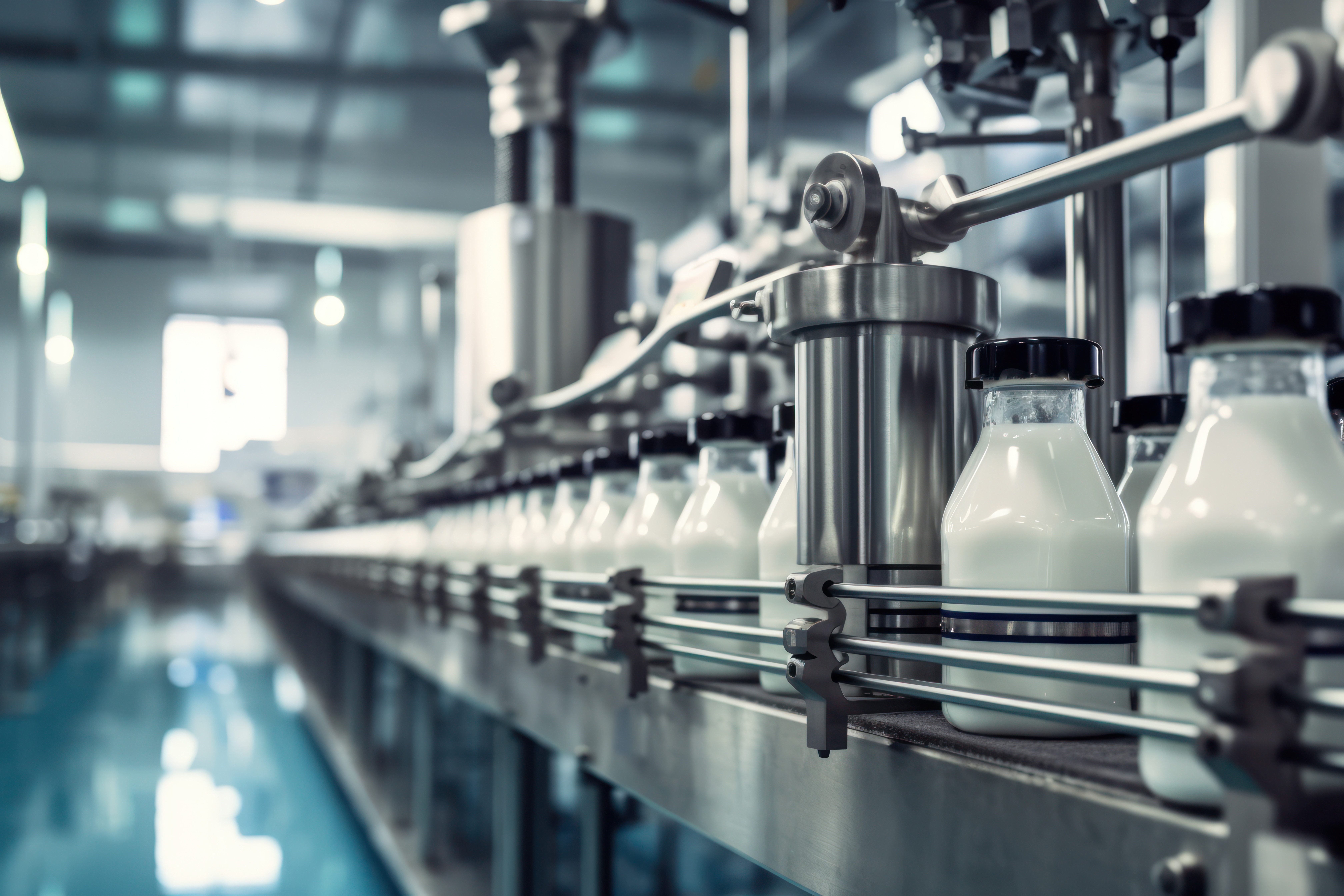
CHP works best for industrial and commercial facilities with consistent electric and thermal loads such as food processing, manufacturing, petrochemical plants and refineries, hospitals, hotels and convention centers, and data centers with thermal requirements
LATEST RESOURCES
Insights shaped by over a decade of experience
Educational resources and perspectives on market shifts, on-site power strategies, and the operational realities shaping energy decisions today.
Explore Resources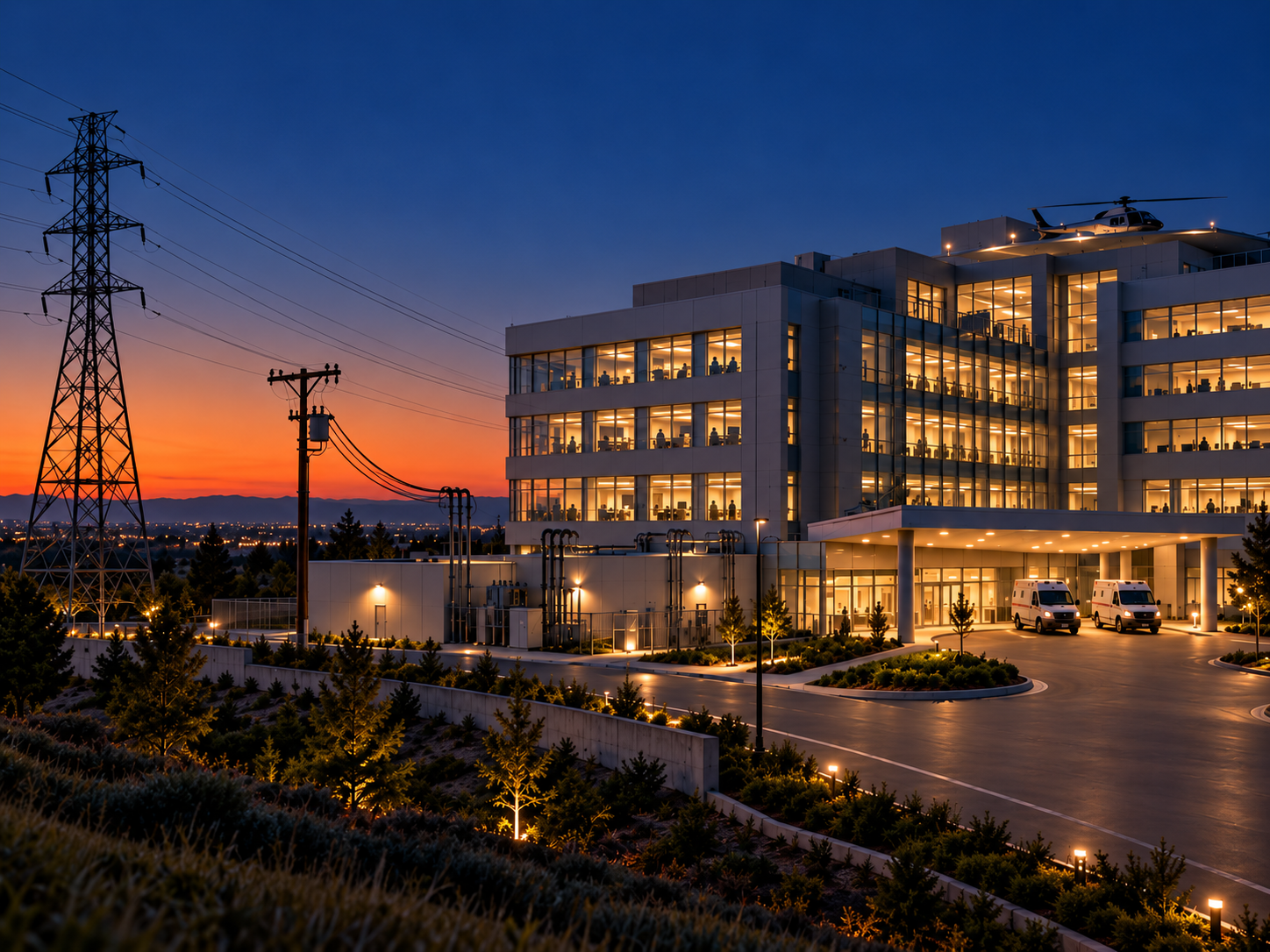

Other Capabilities
More ways we deliver power
Explore microgrids for islanded operations, asset repowers for existing systems, and data center configurations built for speed.

Data Center Private Power
Bypass utility delays and power data centers on your timeline. Our on-site generation delivers the capacity and reliability you need without waiting on grid infrastructure.

Microgrids
Produce and control power on-site. Microgrids provide operational flexibility, reduce grid dependence, and keep facilities running during outages.

Asset Repowers & Operations
Restore performance to underperforming systems. We acquire, upgrade, and operate legacy assets to deliver improved uptime and efficiency.