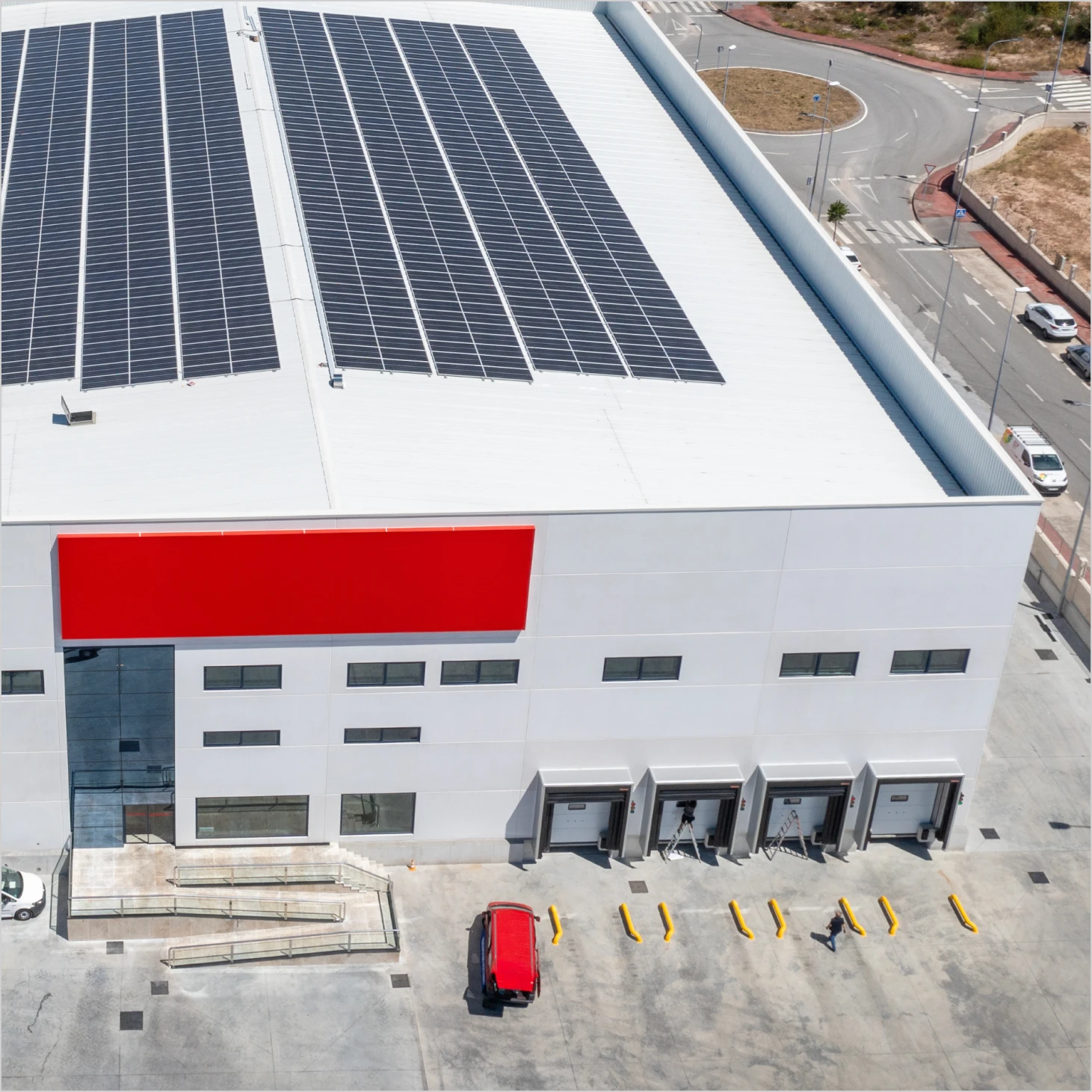

Clients We Serve
Freight & Logistics
Electrifying your fleet and keeping operations running shouldn’t depend on a utility upgrade that’s years away. On-site generation puts the power in your hands today.
What We Solve
Growing EV demand, operational disruption, and rising costs are reshaping logistics. We build, finance, and operate on-site systems to meet the challenge.
Select a challenge to explore the issues facilities like yours face.
Challenge
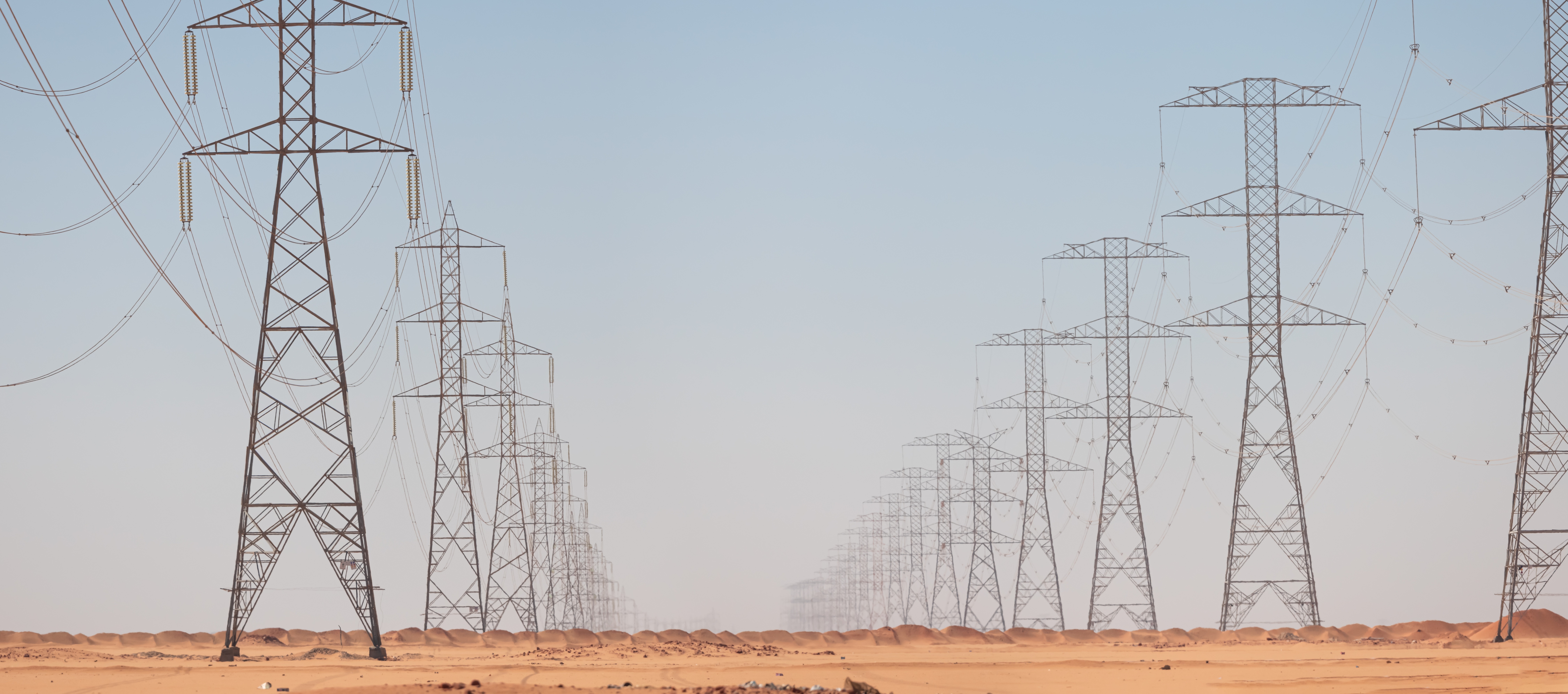
Utility Upgrades Take Too Long
Transitioning to electric fleets requires significant power capacity, and utility upgrades to support it can take five years or longer. That timeline doesn’t work for operations that need to move now.
Solution
Power Generation at Scale
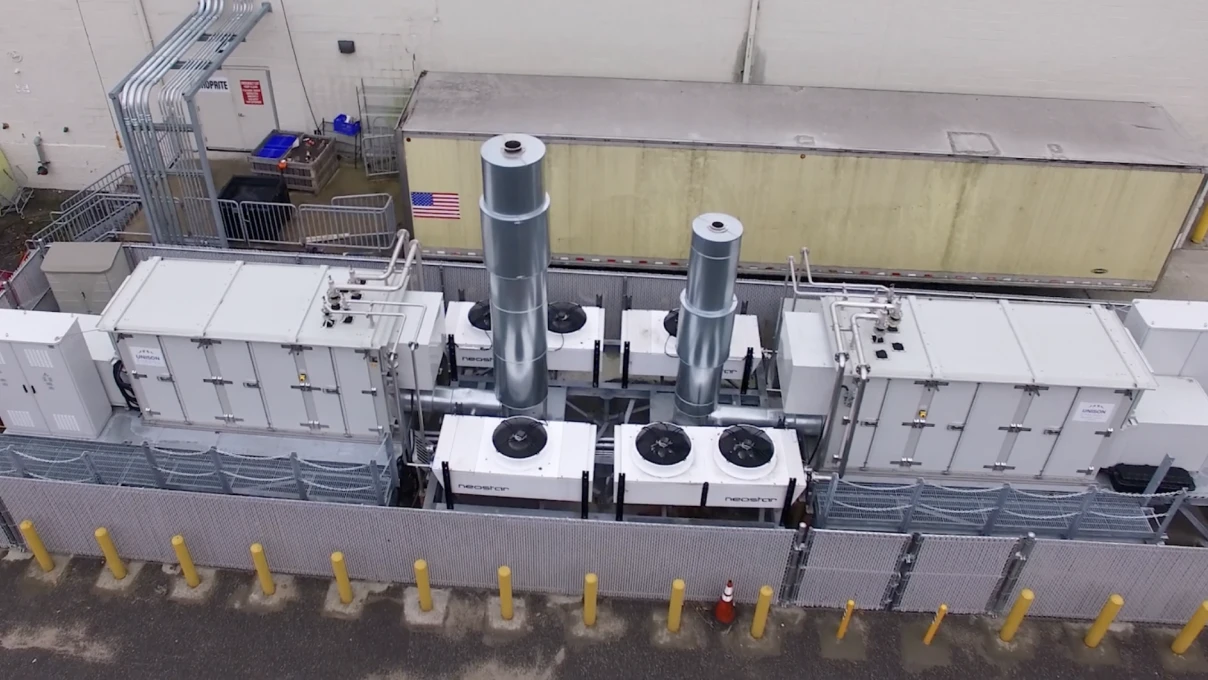
Our microgrid systems can be sized and deployed to support large EV charging loads directly, bypassing utility upgrade timelines and giving fleet operators the capacity they need.
Challenge
Downtime Disrupts the Supply Chain
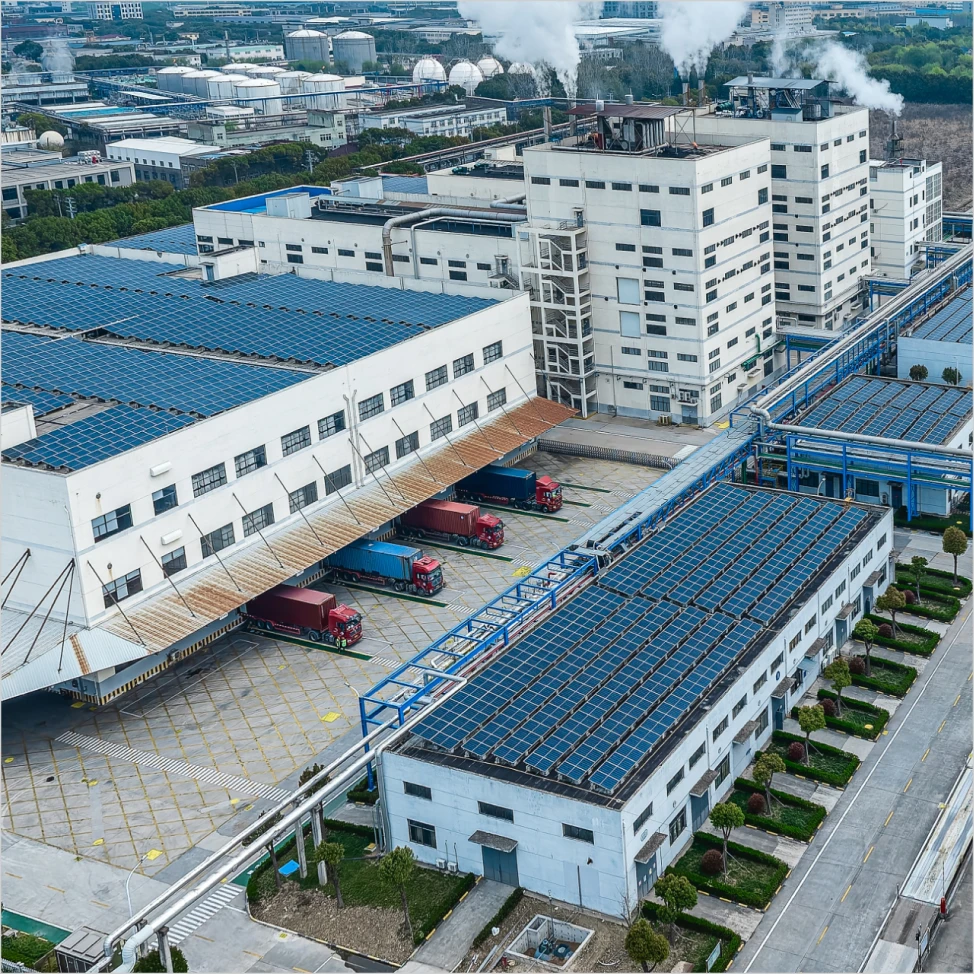
Distribution centers operate around the clock. A power interruption creates ripple effects across supply chains, customer commitments, and delivery schedules.
Solution
Resilient Power with Island Mode
Our microgrid systems automatically switch to island mode during grid outages, keeping warehouse operations, loading docks, refrigeration, and EV charging running.
Challenge
Margins Are Already Tight
Warehouses and distribution centers are inherently energy-intensive. As utility costs rise, those expenses become harder to absorb without raising prices or cutting operational investment.
Solution
Energy as a Service
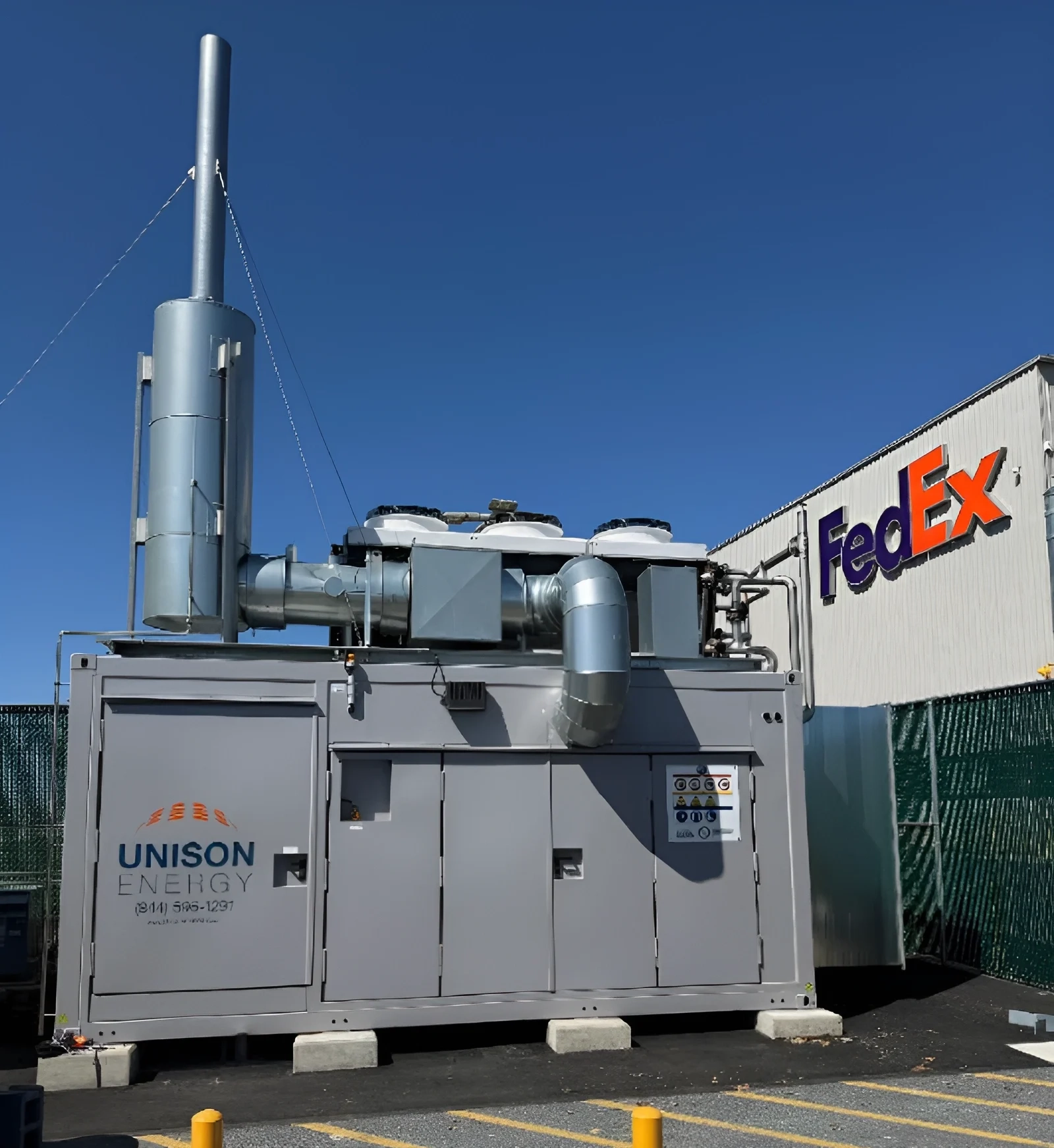
Our cogeneration systems reduce gas and electricity bills by 5–20%, with long-term pricing structures that protect you from utility rate volatility.
The On-Site Advantage
Performance, backed by ownership
We don’t walk away after commissioning. We finance, own, and operate the systems we build, aligning our performance with yours. Our 24/7 monitoring and in-house technicians protect performance minute by minute, year after year.

Cogeneration Efficiency
More than twice a typical power plant

System Uptime
Industry-leading performance

Cost Savings
Often beginning from year one
Our Solutions
Demand more from your power


Step 1: Initial Analysis
Understanding Your Energy Profile
We analyze utility costs, operational schedules, and EV charging requirements to identify where on-site generation can add the most value.
Step 2: Ground-Level Review
Assessing the Site
Our engineers assess your facility to evaluate charging infrastructure needs, available space, thermal loads, and utility connections.
Step 3: ESA Contract
Locking in Your Project
We finalize design engineering, pricing, and contract terms including financing structure, aligned with your fleet transition timeline and operational goals.
Step 4: Construction
Engineering Your System
We manage engineering, procurement, permitting, and construction, coordinating with your team to minimize disruption to operations.
Step 5: Commissioning
Testing and Optimization
We commission and test the system under live conditions, validate island mode operation, and secure all required permits.
Step 6: Monitoring
Maintaining Long-Term Performance
Our technicians monitor performance 24/7, conduct preventive maintenance, and respond immediately to protect operational continuity.
Don’t Let the Grid Slow You Down
Operations that run around the clock need power that does too. Let's find the right on-site generation solution for your facility—no upfront investment required.
FAQS
Have questions about freight and logistics?
Yes. Microgrids can support electric fleet charging loads while mitigating demand charge impacts and reducing the need for costly utility upgrades.
Yes. Under Unison's Energy as a Service model, Unison Energy finances, builds, owns, and operates the system, allowing logistics providers to improve resiliency and cost certainty without using capital budgets.
Latest Resources
Insights shaped by over a decade of experience
From in-depth guides to real-world case studies, our resources give you the technical depth and context needed to make informed energy decisions.
Explore Resources