
Solutions
Low Carbon Energy
Emissions regulations and stakeholder pressures aren’t going away. We help energy-intensive facilities decarbonize without sacrificing reliability or cost.
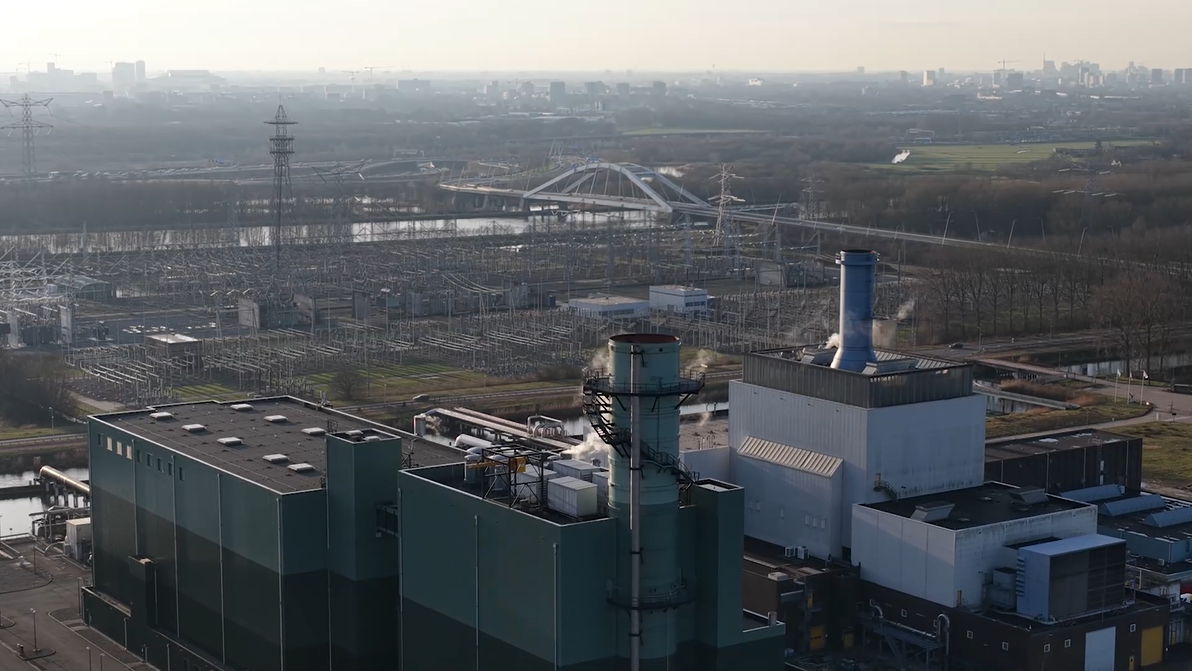
Engineered to Emit Less
Decarbonization doesn’t require starting over. Solutions such as cogeneration, renewable natural gas, and carbon capture lower emissions without disrupting operations or your bottom line.
High-Efficiency Cogeneration
On-site cogeneration-based microgrids running on natural gas can cut carbon emissions 20–40%.
Fuel Flexibility
Our systems are built to evolve alongside the fuel landscape, from natural gas today to hydrogen and biogas as they scale.
Carbon Capture and Sequestration (CCS)
For facilities targeting net zero, CCS captures CO₂ at the source and stores it permanently.
One Integrated Strategy
From cogeneration to carbon capture, we sequence the right technologies to help your facility in its energy transition.
Energy as a Service
We invest in the system, you get the results
Energy as a Service with us means more than on-site power. You get deep technical expertise, capital-backed upgrades, and a long-term commitment to performance.
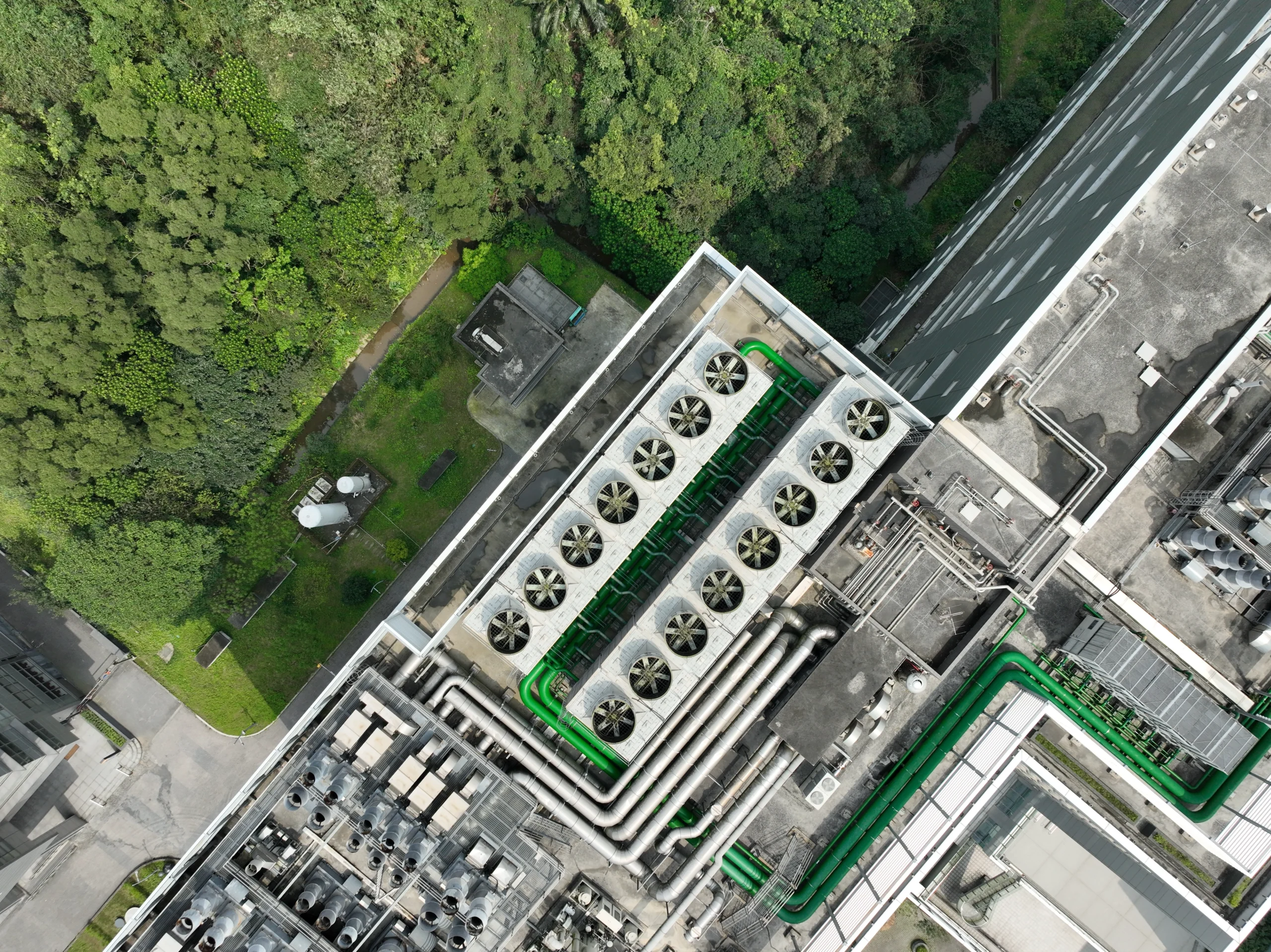
Designed for the Long Haul
From evaluating your energy profile to optimizing system performance years down the line, we manage the entire lifecycle.
Step 1: Initial Analysis
Understanding Your Energy Profile
We evaluate your current emissions footprint and energy costs to identify the right combination of low-carbon technologies for your facility.
Step 2: Ground-Level Review
Assessing the Site
Our team conducts a detailed on-site assessment to evaluate infrastructure, space constraints, and integration requirements to provide you with a comprehensive Pro Forma.
*For larger industrial and data center clients, we perform a Front-End Loading (FEL2) Study that defines project scope, delivery model, phasing strategy, and financial structure before detailed engineering begins.
Step 3: ESA Contract
Locking in Your Project
We finalize design engineering, pricing, and contract structure to align with your emissions targets and financial goals.
Step 4: Construction
Engineering Your System
Detailed engineering ensures the system is right-sized, optimized for carbon reduction, and built for long-term performance.
Step 5: Commissioning
Testing and Optimization
Before going live, we commission and test the system to confirm performance and operational reliability.
Step 6: Monitoring and Maintenance
Maintaining Long-Term Performance
We conduct preventive maintenance and ensure industry-leading uptime year after year.
Plan Your Path to Lower Carbon
Whether you're navigating emissions regulations or stakeholder expectations, our team can help design a low-carbon energy strategy that fits your site, timeline, and budget.
FAQS
Have questions about low carbon energy?
Yes. CHP reduces Scope 1 emissions by offsetting boiler fuel consumption and reduces Scope 2 emissions by lowering purchased grid electricity. Unison also helps customers evaluate emissions reporting impacts for ESG disclosures.
Yes. Our CHP engines and turbines are positioned to integrate hydrogen and RNG as those fuels become commercially available.
Latest Resources
Insights shaped by over a decade of experience
From in-depth guides to real-world case studies, our resources give you the technical depth and context needed to make informed energy decisions.
Explore Resources
Other Solutions
Go beyond decarbonization
Reducing emissions is one part of a broader energy strategy. Explore how our solutions work together to lower costs, strengthen resilience, and expand capacity as your needs grow.


