
Clients We Serve
Food & Beverage
Spoiled inventory, halted production, lost revenue. On-site generation keeps food and beverage facilities running when the grid can’t.
What We Solve
Food and beverage energy challenges are as varied as the facilities themselves. We finance, develop, and operate on-site power systems built to keep up.
Select a challenge to explore the issues facilities like yours face.
Challenge
Spoilage & Production Downtime
Power interruptions stop production and jeopardize inventory. Even brief outages can lead to spoilage and costly disruption.
Solution
Resilient Power with Island Mode
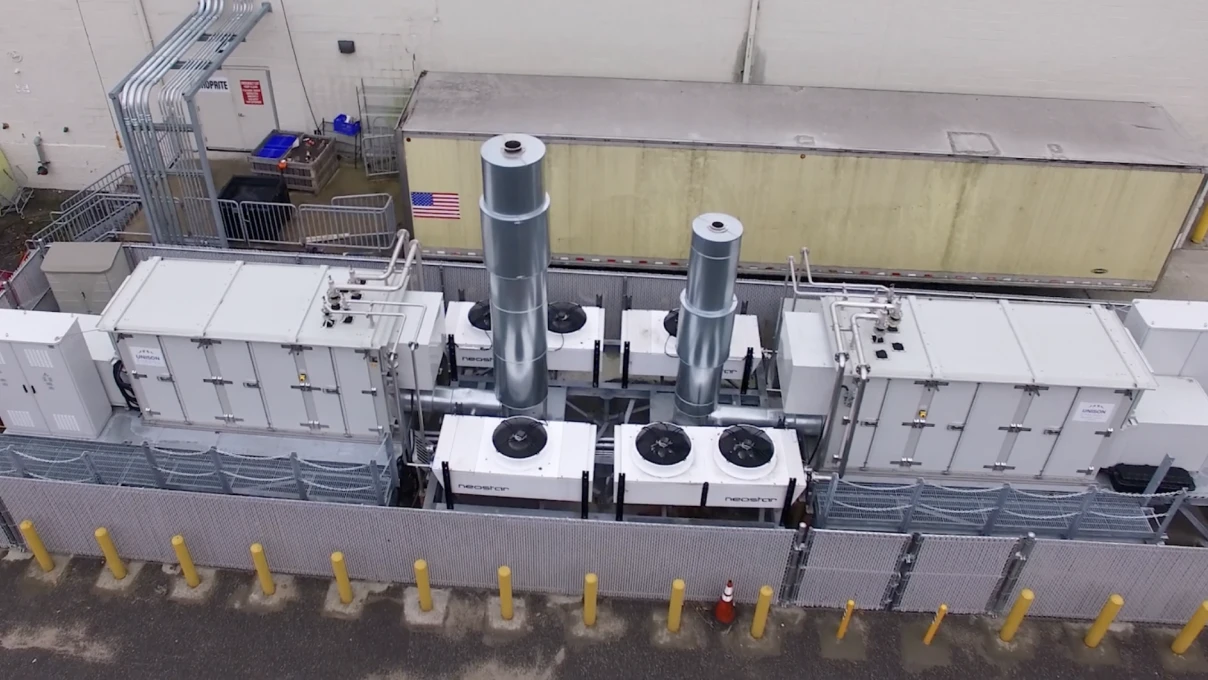
Our microgrid systems automatically switch to island mode during grid outages, keeping production lines, refrigeration, and critical systems running continuously.
Challenge
Energy-Intensive Thermal Loads
High-temperature processes and large refrigeration demands drive high energy costs at Food and Beverage sites.
Solution
Combined Heat and Power (CHP) Systems
Our CHP systems generate electricity while capturing waste heat, supporting process heating, hot water, and absorption cooling for refrigeration and cold storage.
Challenge
Rising Costs on Tight Margins
Rising utility bills cut directly into margins, forcing difficult tradeoffs between operational investment and cost control.
Solution
On-Site Generation with Stable Pricing
We design systems that reduce gas and electricity bills by 5–20%, with long-term pricing structures that insulate your facility from utility rate increases.
The On-Site Advantage
Performance, backed by ownership
We don’t walk away after commissioning. We finance, own, and operate the systems we build, aligning our performance with yours. Our 24/7 monitoring and in-house technicians protect performance minute by minute, year after year.

Cogeneration Efficiency
More than twice a typical power plant

System Uptime
Industry-leading performance

Cost Savings
Often beginning from year one
Our Solutions
Demand more from your power


Step 1: Initial Analysis
Understanding Your Energy Profile
We analyze utility bills, production schedules, and thermal process requirements to identify where on-site generation can reduce costs and protect operations.
Step 2: Ground-Level Review
Assessing the Site
Our engineers assess your facility to evaluate thermal loads, refrigeration systems, available space, and utility requirements.
Step 3: ESA Contract
Locking in Your Project
We finalize design engineering, pricing, and contract terms including financing structure, aligned with your production and financial goals.
Step 4: Construction
Engineering Your System
We manage engineering, procurement, permitting, and construction using our own capital, coordinating with your team to minimize production disruption.
Step 5: Commissioning
Testing and Optimization
We commission and test the system under live production conditions, validate thermal output, optimize controls, and secure all required permits.
Step 6: Monitoring
Maintaining Long-Term Performance
Our technicians monitor performance 24/7, conduct preventive maintenance, and respond immediately to protect production uptime.
Protect What You Produce
Spoilage and downtime are too costly to leave to chance. Let's evaluate how on-site power generation can protect your production and reduce energy costs for years to come.
FAQS
Have questions about food and beverage?
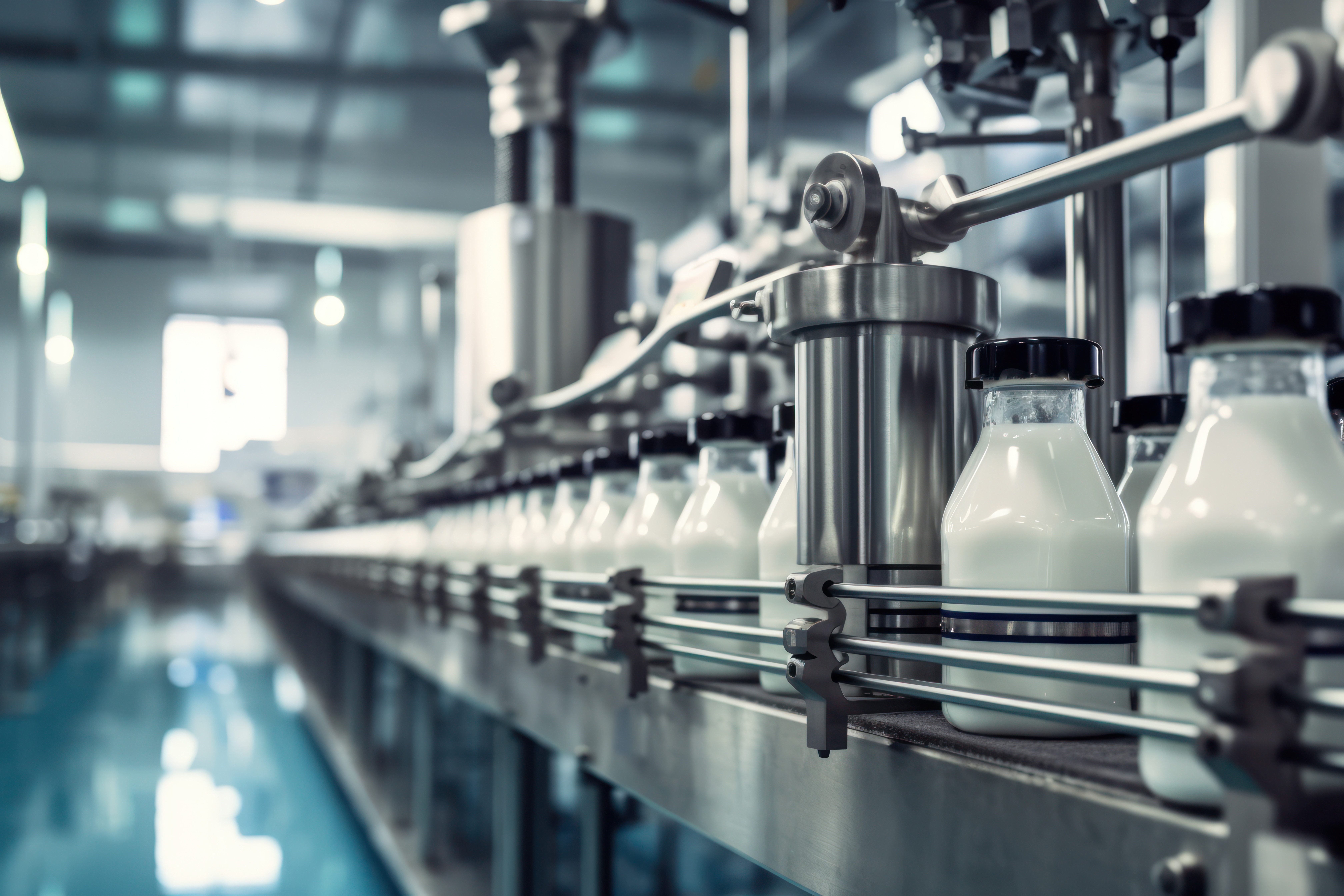
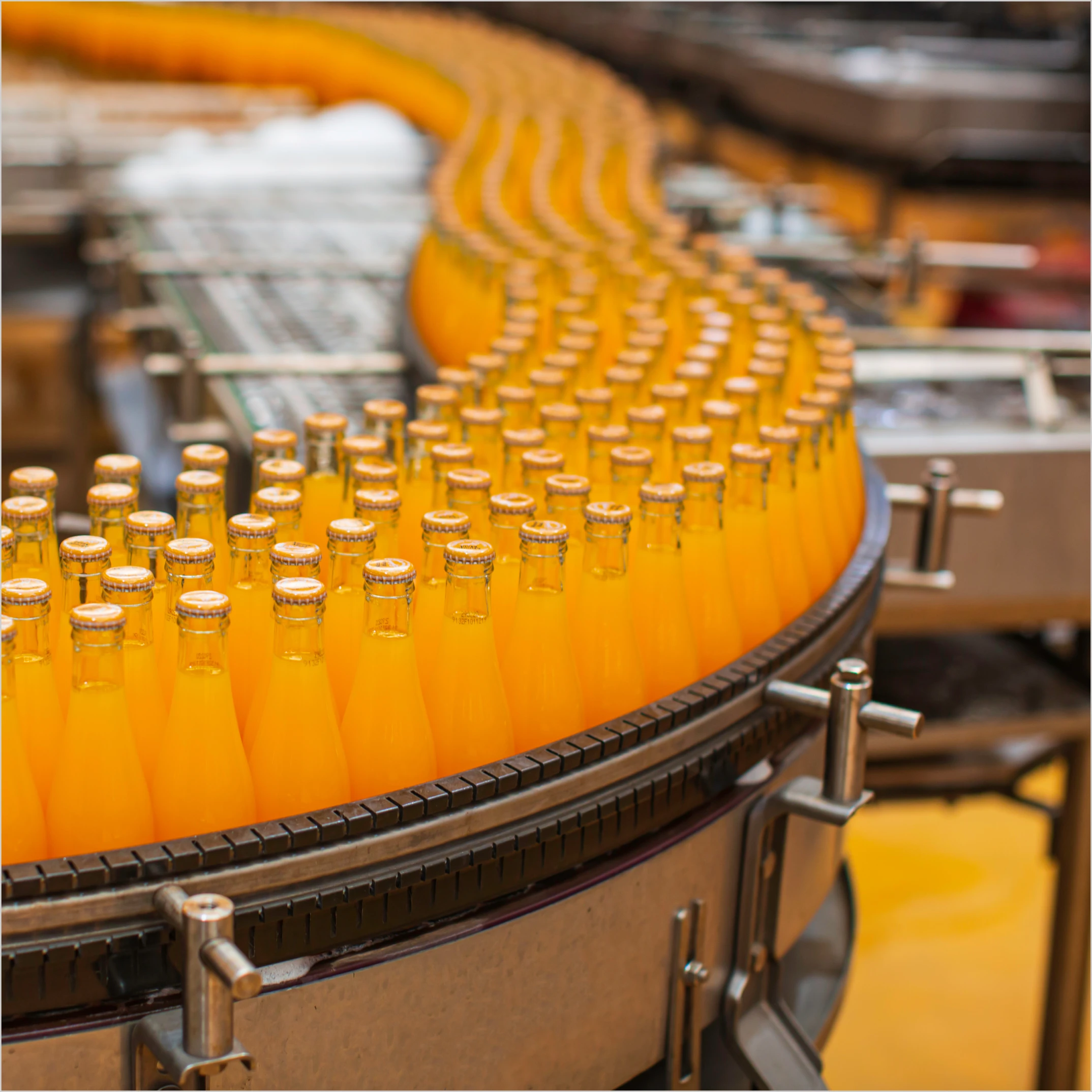
Bottling plants have high, consistent electricity demand for filling lines, conveyors, and packaging, along with thermal needs for cleaning and sterilization. CHP systems generate reliable onsite power while supplying hot water for washdown and sanitation processes—reducing both energy costs and production risk.
Yes. CHP systems can be integrated with absorption chillers or electric chillers to support refrigeration loads. This is especially valuable in dairy and cold storage operations where cooling is one of the largest energy expenses.
Latest Resources
Insights shaped by over a decade of experience
From in-depth guides to real-world case studies, our resources give you the technical depth and context needed to make informed energy decisions.
Explore Resources