
Clients We Serve
Pharma
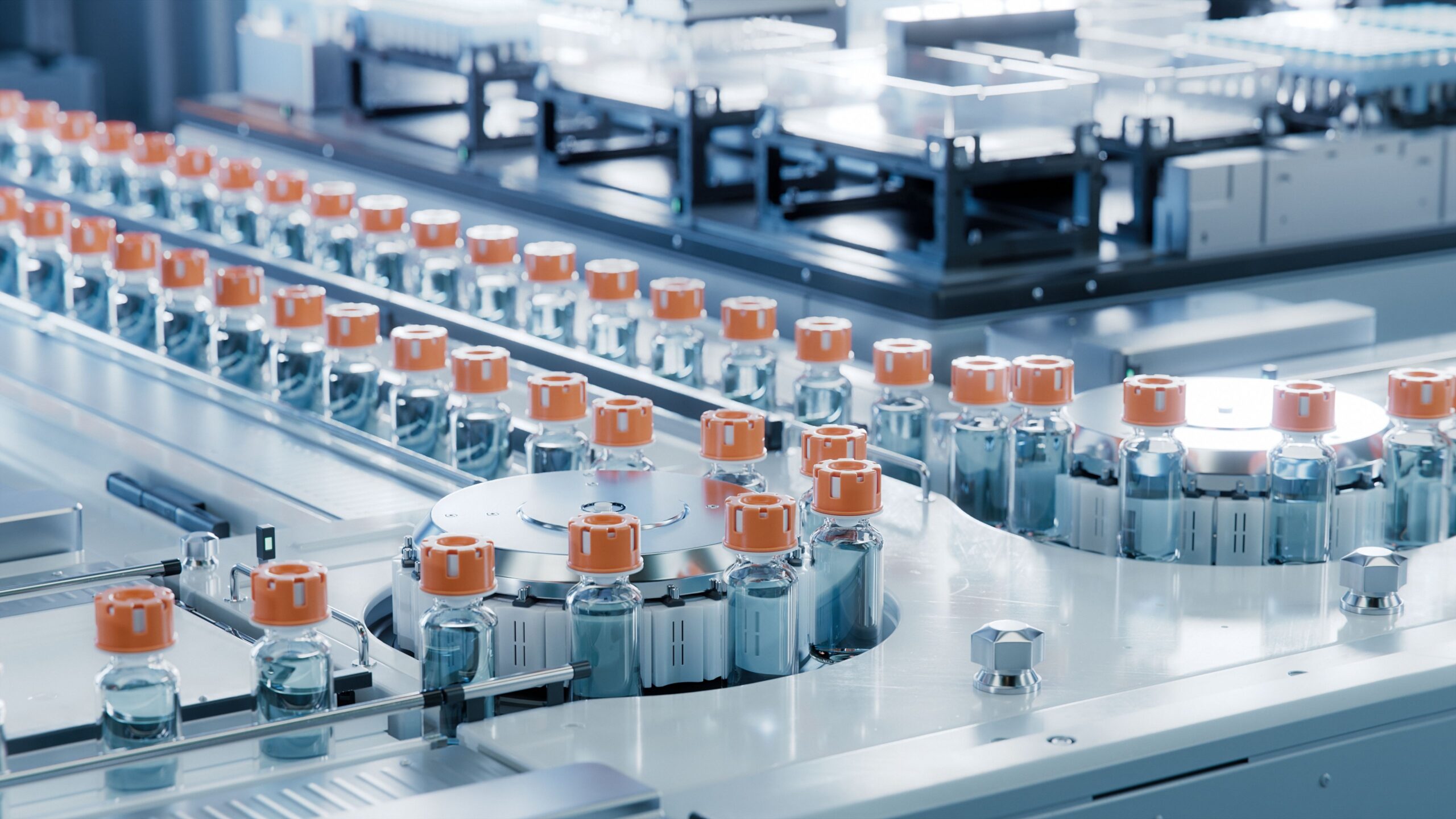
Lost batches, requalification, delayed shipments. Onsite generation helps protect validated operations at pharmaceutical facilities when grid power is disrupted.
What We Solve
Pharmaceutical energy challenges are as demanding as the products they protect. We finance, develop, and operate onsite power systems built to keep up.
Select a challenge to explore the issues facilities like yours face.
Challenge
Power Quality & Batch Protection
Voltage sags and short outages can interrupt production and take controlled environments out of range. The cost shows up as lost product, investigations, and requalification.
Solution
Resilient Power with Island Mode
Our microgrids, powered by combined heat and power (CHP), also called cogeneration, run in parallel with the grid and are designed to switch to island mode during an outage, helping keep priority loads running. They work alongside your emergency generation, not in place of it.
Challenge
Energy-Intensive Thermal Loads
Process steam, hot water, humidity control, and chilled water add up. Producing each one separately drives up cost and wastes energy.
Solution
Combined Heat and Power
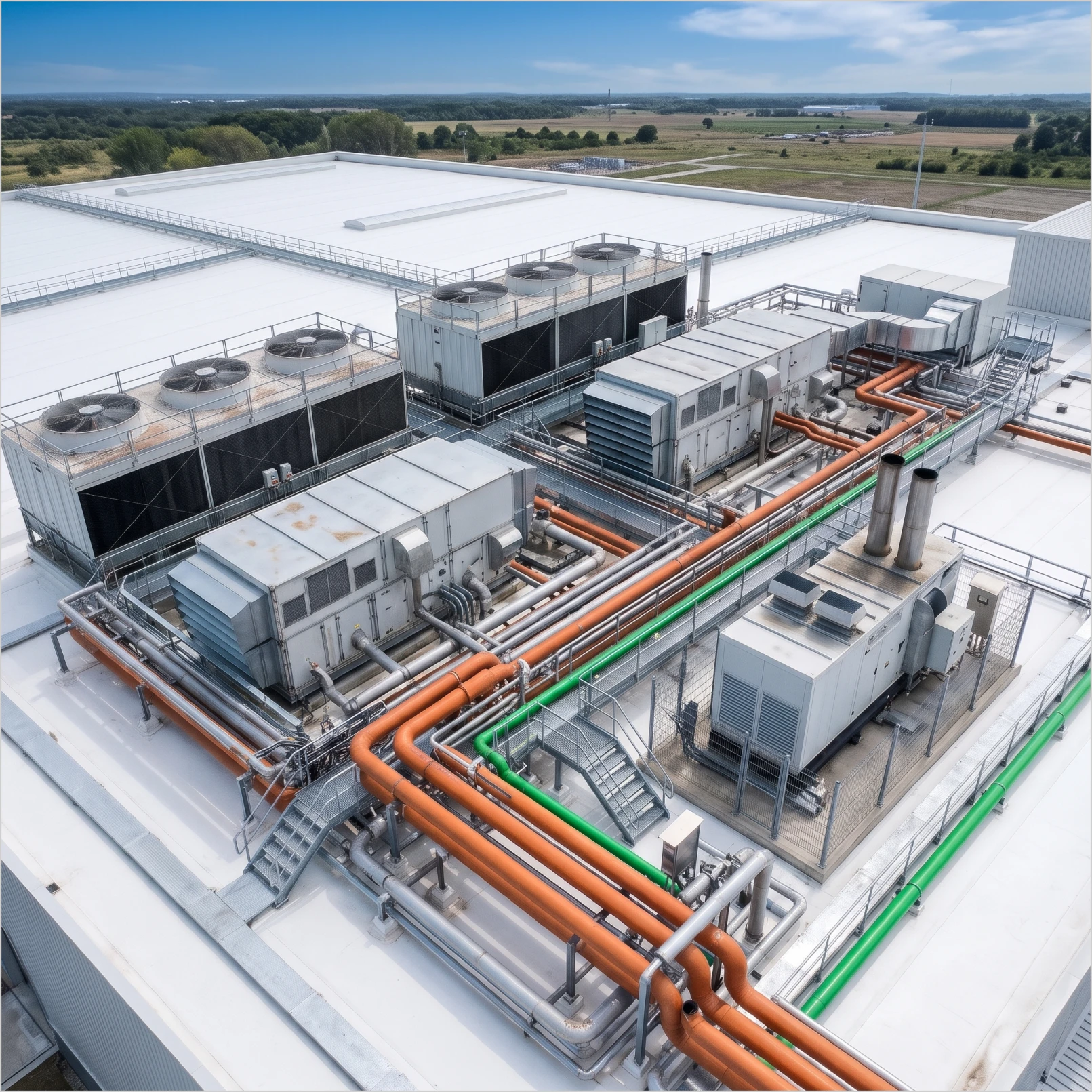
CHP captures waste heat from onsite generation and puts it to work as steam, hot water, or chilled water through absorption cooling. Total system efficiency is generally 60–85%, depending on the site.
Challenge
Capital Tied Up in Core Priorities
Capital goes to manufacturing capacity, pipeline, and compliance first. Energy infrastructure rarely wins, even as new lines add load the utility may take years to serve.
Solution
Energy-as-a-Service (EaaS)
Unison finances, designs, builds, owns, operates, and maintains the system. You buy the electricity and thermal energy it produces under a long-term Energy Services Agreement (ESA), with no upfront capital.
The On-Site Advantage
Performance, backed by ownership
We don’t walk away after commissioning. We finance, own, and operate the systems we build, aligning our performance with yours. Our 24/7 monitoring and in-house technicians protect performance minute by minute, year after year.

Cogeneration Efficiency
More than twice a typical power plant

System Uptime
Industry-leading performance

Cost Savings
Often beginning from year one
Our Solutions
Demand more from your power


Step 1: Initial Analysis
Understanding Your Energy Profile
We evaluate your current utility costs, load profile, and thermal needs to identify where on-site generation can deliver the greatest value.
Step 2: Ground-Level Review
Assessing the Site
Our team conducts a detailed on-site assessment to evaluate infrastructure, space constraints, and integration requirements to provide you with a comprehensive Pro Forma.
Step 3: ESA Contract
Locking in Your Project
We finalize design engineering, pricing, and contract structure to align with your operational and financial goals.
Step 4: Construction
Engineering Your System
We manage all design engineering, equipment procurement, permitting, and construction from start to finish.
Step 5: Commissioning
Testing and Optimization
Before going live, we commission and test the system to confirm performance and reliability.
Step 6: Monitoring
Maintaining Long-Term Performance
We conduct preventive maintenance and ensure industry-leading uptime year after year.
Protect Every Batch
Lost batches and requalification are too costly to leave to chance. Let’s evaluate how onsite power generation can protect your operations and give you greater cost certainty for years to come.
FAQS
Have questions about pharma?
A microgrid can be designed to island from the grid when utility power is disrupted, keeping priority loads running. It reduces outage exposure but does not eliminate every outage or risk, and the design depends on your site.
Not in every application. Code-required emergency generation generally stays in place. CHP is a daily energy asset that produces electricity and useful heat, and it supports resilience when designed for island operation.
Latest Resources
Insights shaped by over a decade of experience
From in-depth guides to real-world case studies, our resources give you the technical depth and context needed to make informed energy decisions.
Explore Resources