The Grid Passed the Test. But at What Cost?
Blog
Energy Cost savings
What This Weekend’s Heat Dome Revealed About Electricity Markets – and Why More Organizations Are Investing in CHP Microgrids
The record-setting heat dome that settled over much of the eastern United States during the Independence Day holiday did more than send temperatures soaring into the triple digits. It became one of the most significant stress tests the nation’s electric grid has faced in years – and offered a preview of the challenges commercial and industrial (C&I) energy users are likely to encounter more frequently as electricity demand continues to grow.
As millions of homes, businesses, hospitals, manufacturers, and data centers simultaneously increased cooling loads, eastern regional transmission organizations including PJM Interconnection, New York ISO (NYISO), ISO New England (ISO-NE), and the Midcontinent Independent System Operator (MISO) took extraordinary steps to maintain reliability. PJM forecast a peak load of 166.2 GW, recalled generating units from maintenance, issued Hot Weather and Maximum Generation Alerts, activated demand response resources, and coordinated with the U.S. Department of Energy under emergency authorities. Similar actions were taken across neighboring markets to preserve reliability during one of the highest-demand periods of the summer.
Those efforts were successful, but maintaining reliability required extraordinary operational measures – and came at a significant cost. Real-time wholesale electricity prices exceeded $2,000/MWh in portions of PJM, while day-ahead prices across eastern RTOs climbed well above normal summer levels as increasingly expensive generation resources were dispatched to meet demand. For commercial and industrial organizations, those costs ultimately flow through higher utility supply costs, capacity charges, transmission investments, and retail electricity rates.
According to PJM’s Independent Market Monitor, wholesale electricity costs across the PJM market reached approximately $40 billion during the first five months of 2026 – a 68% increase over the same period in 2025 – with rapidly growing electricity demand from data centers contributing significantly to that increase. The heat dome did not create these market dynamics but exposed their impact on costs, and came close to a reliability event.
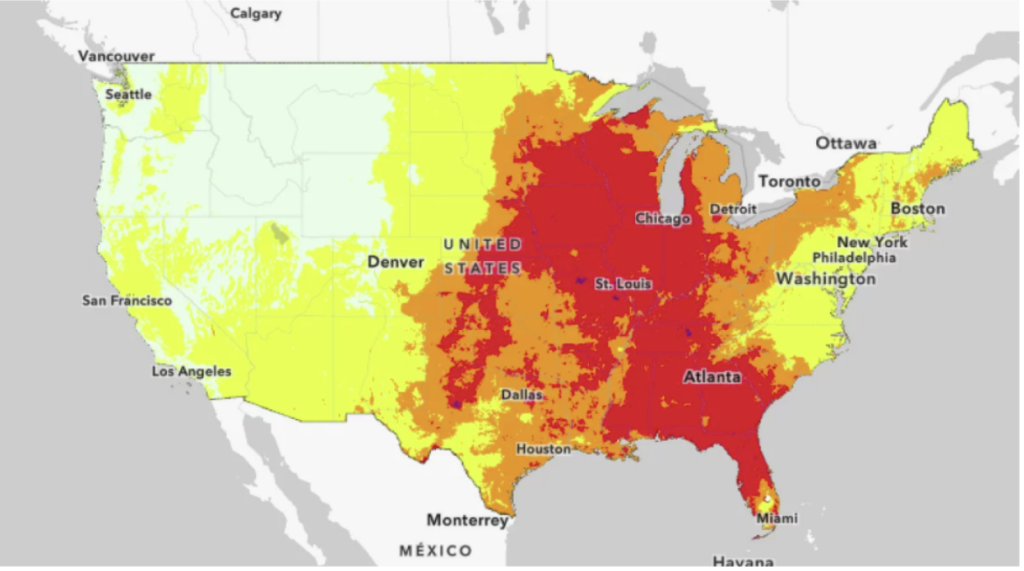
A seven-day “HeatRisk” map from the National Integrated Heat Health Information System, Heat.gov
A Structural Shift in Electricity Markets
Extreme heat has always increased electricity demand. What has changed, however, is the backdrop against which these events now occur. Electricity demand is growing at its fastest pace in decades, fueled by AI data centers, domestic manufacturing, and electrification, while new generation and transmission projects often require years to permit and construct.
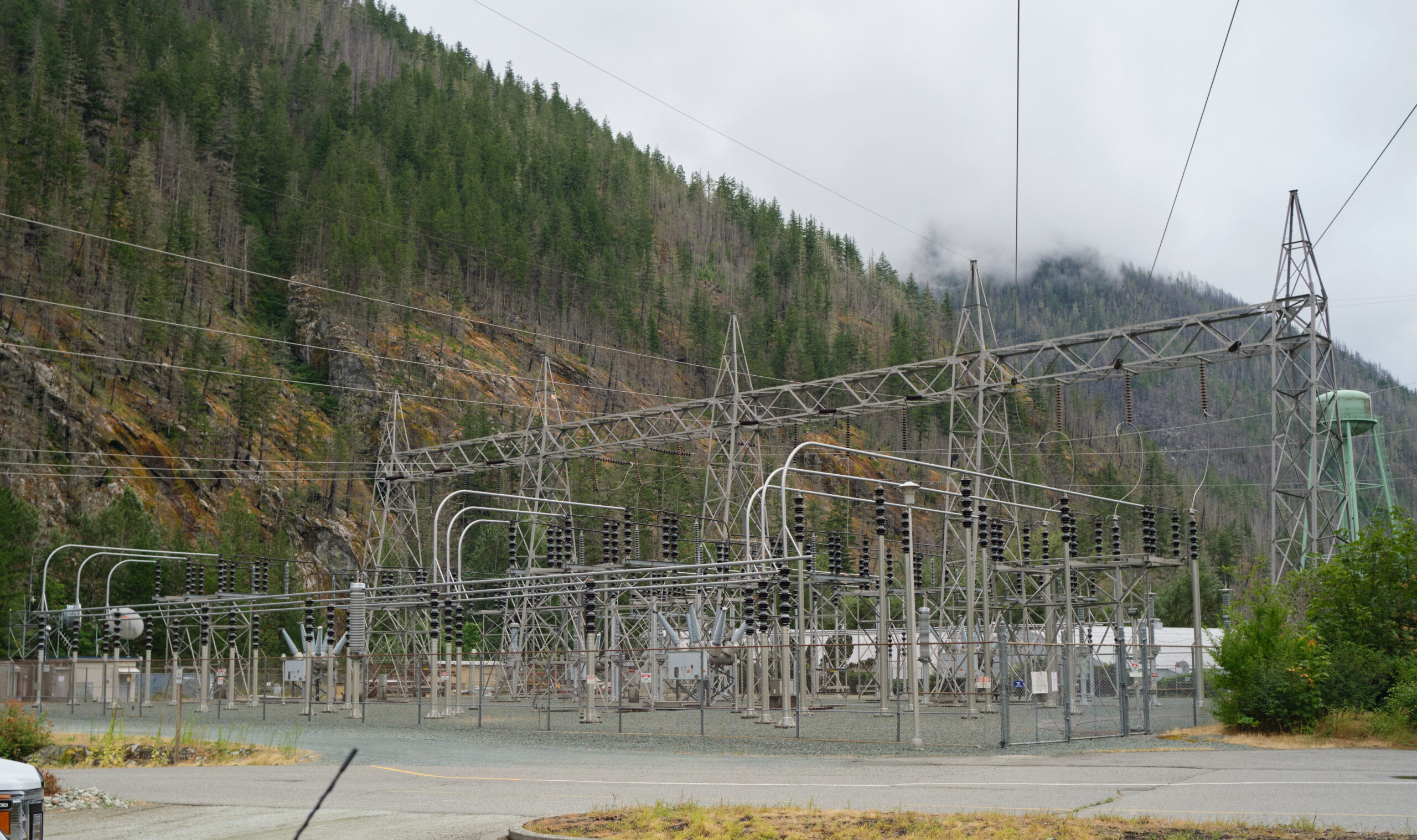
Last week’s heat, combined with that demand, put extreme stress on the Bulk Electric System the RTOs manage. The Baltimore, DC and Northern Virginia area had a “Deploy All Resources” action on Thursday, which tells units to go to emergency power and is the last action in the toolbox before the system operator must start dropping voltage.
To be clear, the system didn’t fail in this instance, but it came close. Extreme heat also puts stress on the distribution system, such as transformers working less efficiently. There were no blackouts attributable to the Bulk Electric System, but there were local outages partly due to this stress.
For commercial and industrial organizations, electricity price volatility is becoming a structural characteristic of the power system rather than an occasional response to extreme weather.
Why More Organizations Are Investing in CHP Microgrids
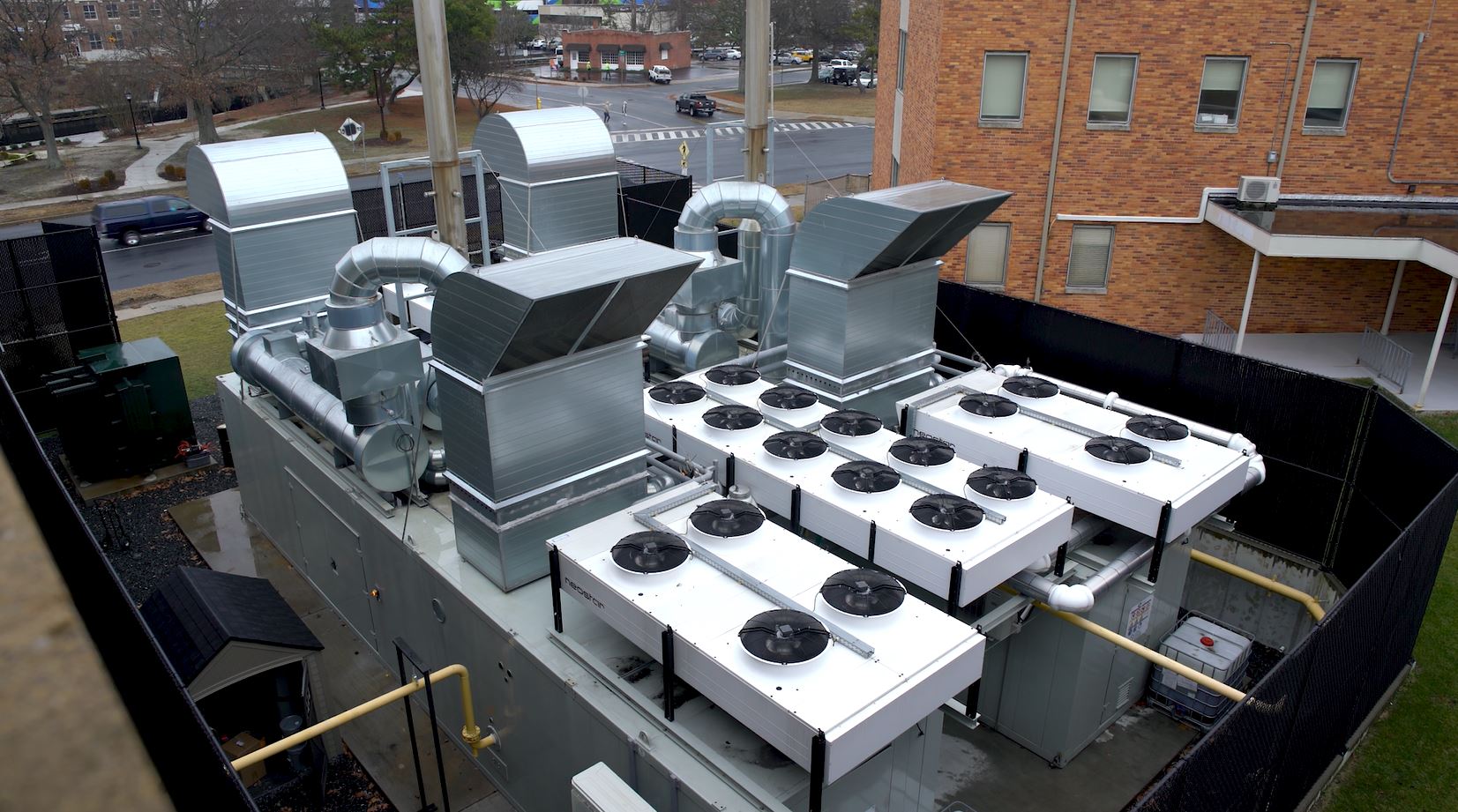
As these market pressures continue to build, many organizations are rethinking their long-term energy strategy. Rather than relying exclusively on the utility grid, facilities with significant electric and thermal loads are increasingly investing in onsite Combined Heat and Power (CHP) microgrids to improve resilience while reducing long-term energy costs.
Unlike standby generators that operate only during outages, CHP systems generate electricity every day while recovering waste heat that would otherwise be lost. That energy can be used to produce steam, hot water, or chilled water through absorption chillers, reducing electricity purchases, boiler fuel consumption, and electric chiller loads. Overall system efficiencies can exceed 70%, significantly outperforming conventional approaches that produce electricity, heating, and cooling separately.
Projects across multiple industries demonstrate these benefits. At General Mills’ Hannibal, Missouri facility, Unison Energy is developing a CHP microgrid expected to supply approximately 92% of annual electricity demand while meeting 67% of annual steam requirements. Sonoma Valley Hospital’s CHP microgrid supplies more than 90% of the hospital’s annual electricity needs while producing over 70% of its domestic hot water, improving both resilience and long-term cost control.
Through Unison Energy’s Energy-as-a-Service (EaaS) model, organizations can deploy these systems without upfront capital investment. Unison designs, finances, owns, operates, and maintains the microgrid, allowing customers to improve energy resilience, stabilize long-term energy costs, and reduce exposure to increasingly volatile electricity markets.
If your organization is evaluating strategies to reduce exposure to electricity price volatility, strengthen energy resilience, and lower long-term energy costs, Unison Energy can help determine whether an onsite CHP microgrid is the right fit for your facility.

ByUnison Energy
Share on
Share on
About us
Engineered for Performance. Built for the Long Term.
Unison Energy combines capital strength, technical expertise, and operational discipline to deliver resilient power for facilities across industries.

Related posts
Insights shaped by over a decade of experience
Explore more perspectives on energy costs, resilience, and on-site generation from the Unison Energy team.
View All Blogs