El Niño, Extreme Weather, and the Growing Cost of Grid Power
Blog
Resilient Power
Key Takeaways:
El Niño is one example of a broader increase in weather-related risks affecting the electric grid and the facilities that depend on it:
- Onsite power provides greater control. CHP microgrids can improve energy resilience and cost certainty, while Energy-as-a-Service (EaaS) eliminates upfront capital and operational responsibility.
- Costly weather disruptions are increasing, and El Niño is the latest reminder. NOAA recorded an average of 23 billion-dollar U.S. disasters annually from 2020–2024, compared with nine from 1980–2024. NOAA also says El Niño has a greater than 90% chance of becoming very strong during fall and winter 2026–27.
- Facilities face operational and financial risks. Extreme weather and continued grid investment contribute to outages and higher long-term electricity costs.
NOAA’s latest El Niño Advisory says El Niño has a greater than 90% chance of becoming very strong during fall and winter 2026–27.1
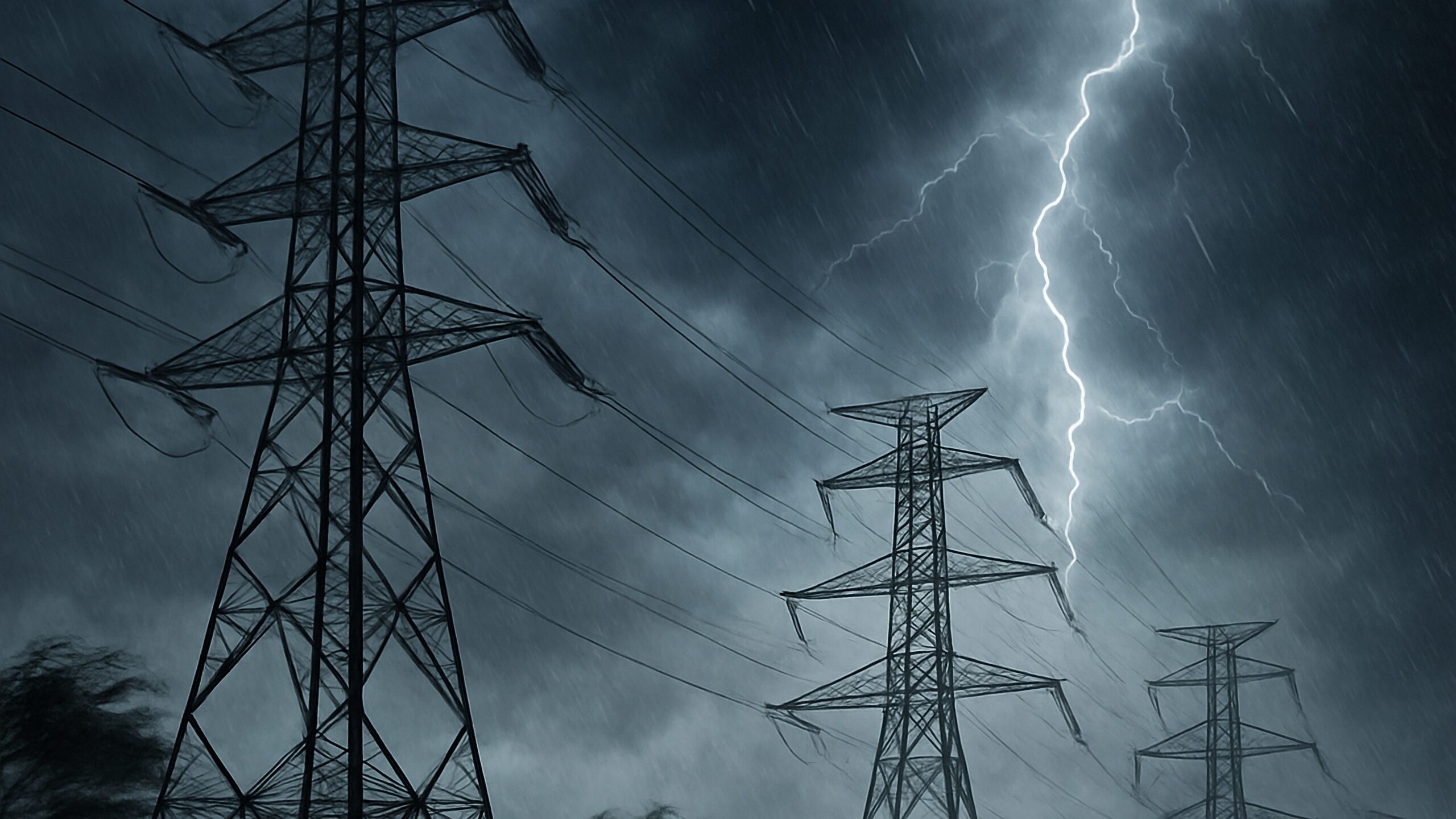
But El Niño is only one part of a broader challenge. Hurricanes, flooding, wildfires, winter storms, and extreme heat continue to test an electric grid already contending with aging infrastructure and growing demand. The real issue is how more frequent and costly extreme weather is changing the economics of grid power and increasing operational risk for commercial and industrial facilities—especially those that can’t afford downtime.
Extreme Weather Is Driving Grid Modernization and Higher Electricity Costs
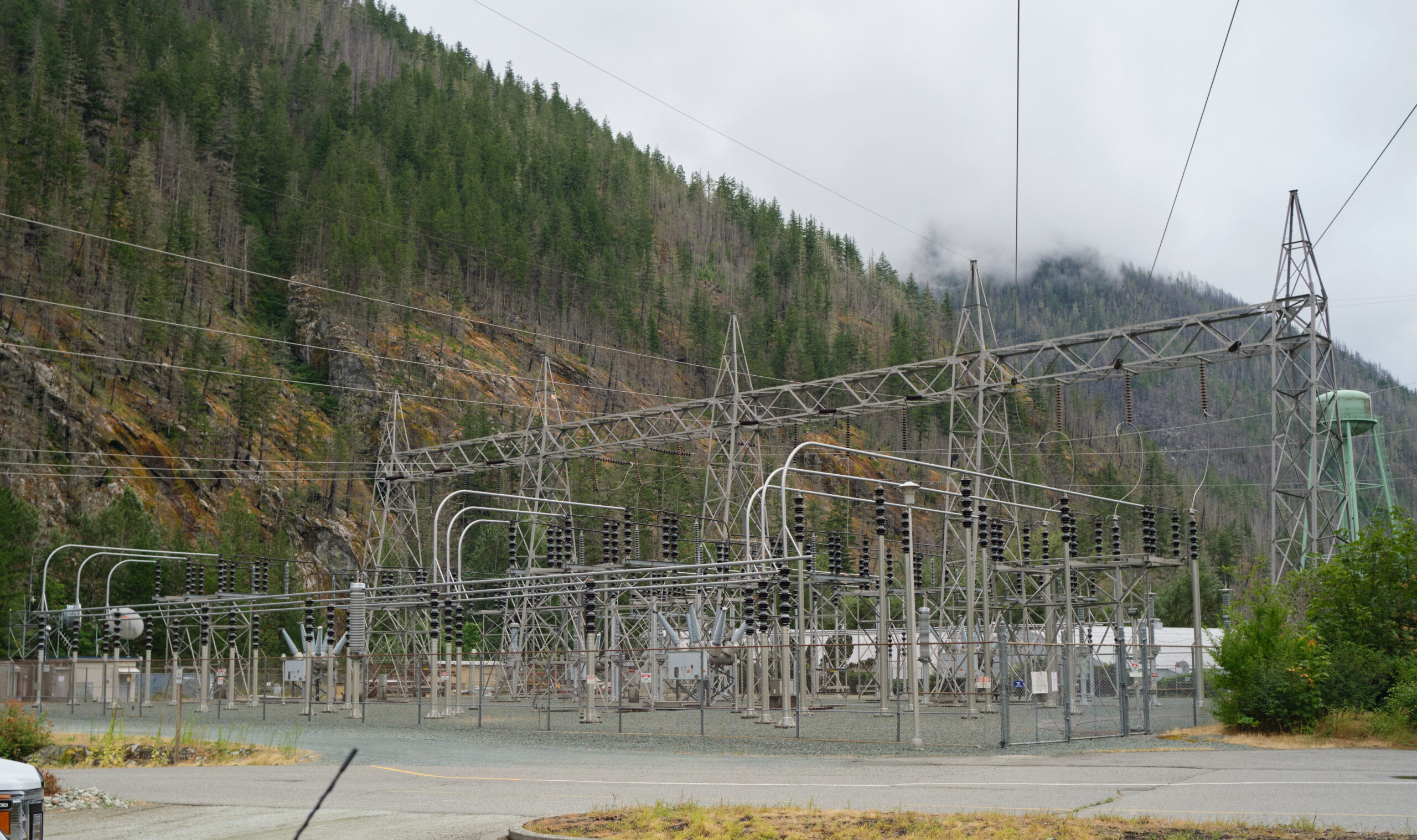
Utilities are investing to meet rising electricity demand from data centers, manufacturing, electrification, and electric vehicles while also hardening the grid against wildfires, storms, and other extreme weather.
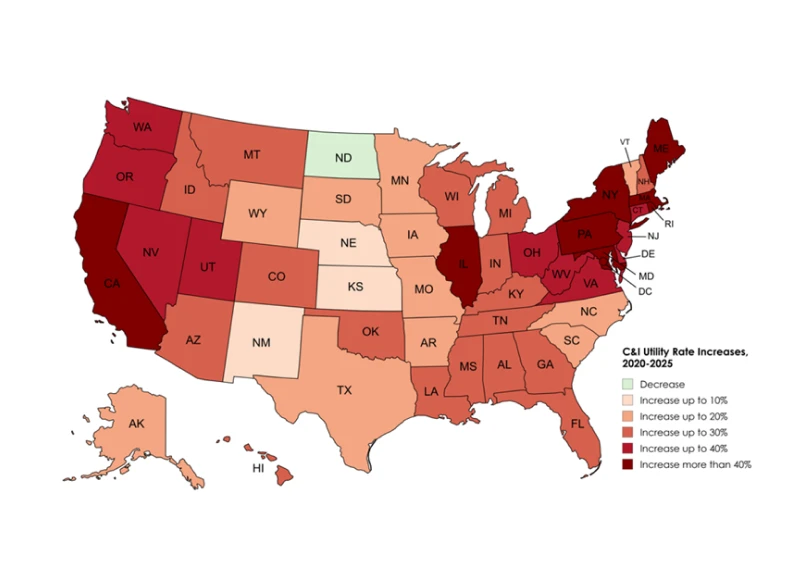
The scale of that investment is already visible: Xcel Energy, for example, plans to invest $17.6 billion in Colorado over five years2 to expand capacity, modernize the grid, and strengthen wildfire resilience. Cost pressures are also building across regional markets. In PJM, average wholesale electricity costs reached $114.50/MWh during the first half of 2026, up 50.3% from the same period in 2025, driven by higher energy, capacity, and transmission costs. Across the country, commercial electricity rates have increased an average of 28% over the last five years.
The result is a difficult but increasingly familiar challenge: utilities must invest in the grid to maintain reliability, and customers ultimately help fund that investment through their electricity bills.
The Immediate and Long-Term Costs of Extreme Weather
For energy-intensive businesses, extreme weather creates two distinct layers of cost.
The first is the immediate operational cost of an outage. Depending on the facility, even a brief disruption can lead to:
- Interrupted production
- Lost or spoiled inventory
- Equipment shutdown and restart costs
- Lost employee productivity
- Delayed orders and supply chain disruptions
- Safety or compliance risks
These costs can escalate quickly. A 2026 analysis from the U.S. Department of Energy’s Oak Ridge National Laboratory found that major outages cost U.S. residential and business customers an average of more than $67 billion annually from 2018 through 2024. In 2024 alone, the estimated cost reached $121 billion.
The second cost appears over time. As utilities repair, harden, and expand the grid, approved infrastructure and transmission investments can flow through to customers in their electricity rates.
Facilities are therefore exposed to both the immediate operational cost of an outage and the longer-term cost of maintaining and strengthening the grid.
Energy resiliency can no longer be viewed only as emergency preparation. It is becoming a long-term financial and operational priority.
How an Onsite CHP Microgrid Strengthens Energy Resilience
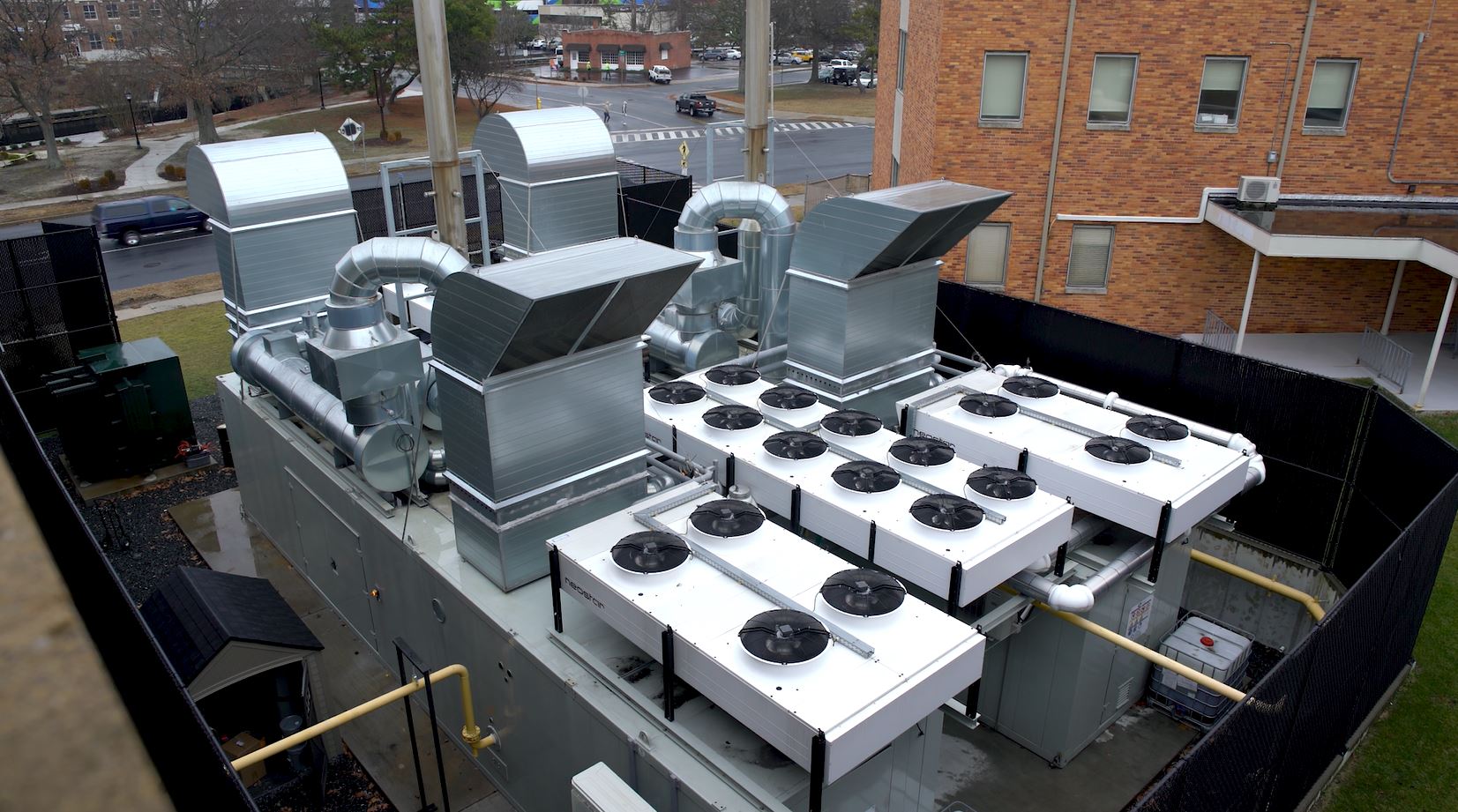
As electricity costs become more volatile and grid reliability concerns grow, many commercial and industrial organizations are rethinking their long-term energy strategy. Rather than relying exclusively on the utility grid, facilities with significant electric and thermal loads are increasingly investing in onsite Combined Heat and Power (CHP) microgrids to improve reliability while reducing long-term energy costs.
Unlike standby generators that operate only during outages, CHP systems generate electricity every day while recovering thermal energy that would otherwise be wasted. That energy can be used to produce steam, hot water, or chilled water, reducing electricity purchases while improving overall energy efficiency.
For the right facility, an onsite CHP microgrid can:
- Improve business continuity during utility outages
- Provide reliable power for critical operations
- Reduce dependence on utility infrastructure
- Lower energy costs during normal operations
- Reduce rate exposure and improve long-term energy cost certainty
- Support expansion where utility capacity is constrained or delayed
- Reduce carbon emissions through greater fuel efficiency
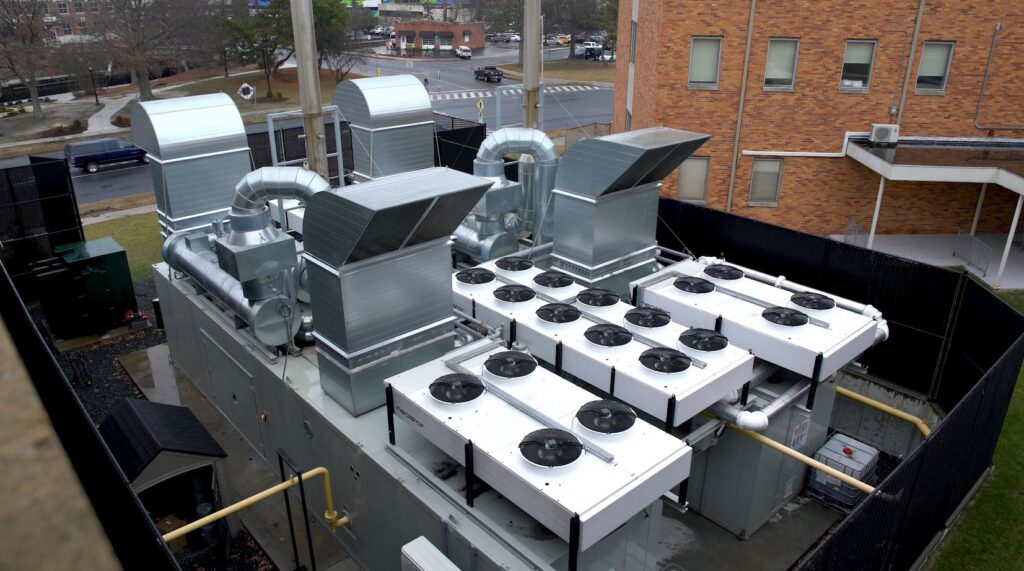
Through an Energy-as-a-Service (EaaS) model, organizations can deploy these systems without upfront capital investment. An experienced provider designs, finances, owns, operates, and maintains the microgrid, helping customers improve energy resilience, stabilize long-term energy costs, and reduce exposure to volatile electricity markets.
El Niño Will Pass. The Need for Reliable Onsite Power Will Not.
El Niño will eventually pass. The larger forces reshaping the energy market will not.
NOAA recorded an average of 23 billion-dollar U.S. weather and climate disasters per year from 2020 through 2024, compared with an annual average of nine from 1980 through 2024.3 NERC’s 2026 State of Reliability also describes a power system facing rising electricity demand and more frequent extreme weather events, even as overall reliability indicators remain stable.
Organizations investing in onsite power are not simply preparing for the next storm. They are gaining more control over energy costs, strengthening operational resilience, and positioning their facilities for the next decade of energy challenges.
If your organization is evaluating onsite power, Unison Energy can help determine whether a CHP microgrid is right for your facility. With more than 15 years of experience developing and operating onsite energy systems, Unison delivers CHP microgrids built for long-term performance through an Energy-as-a-Service model. Contact us for a free, no-obligation energy assessment.
Sources
- NOAA’s latest El Niño Advisory (Aug. 13, 2026)
- Xcel Energy: Powering Colorado’s Future
- NOAA National Centers for Environmental Information: U.S. Billion-Dollar Weather and Climate Disasters
- NOAA Climate Prediction Center: ENSO Diagnostic Discussion
- NERC: 2026 State of Reliability
- NERC: 2026 Summer Reliability Assessment
- Oak Ridge National Laboratory: Analysis Shows Power Outages Cost U.S. Electricity Customers Billions
- U.S. Energy Information Administration: Electricity Prices and Factors Affecting Prices

ByUnison Energy
Share on
Share on
About us
Engineered for Performance. Built for the Long Term.
Unison Energy combines capital strength, technical expertise, and operational discipline to deliver resilient power for facilities across industries.
Related posts
Insights shaped by over a decade of experience
Explore more perspectives on energy costs, resilience, and on-site generation from the Unison Energy team.
View All Blogs