How Combined Heat and Power (CHP) Is Transforming Refineries and Petrochemical Plants
Blog
Industrial
Refineries and petrochemical facilities are rethinking the role of the utility plant as rising electricity costs, growing process steam demand, and aging grid infrastructure reshape industrial energy strategy. Learn how Combined Heat and Power (CHP), deployed through an Energy-as-a-Service (EaaS) model, improves fuel efficiency, lowers operating costs, and strengthens operational resilience. Unison Energy helps refineries and petrochemical facilities deploy these solutions with no upfront capital investment.
Rethinking the Role of the Utility Plant for Refineries and Petrochemical Plants
For decades, operational performance has been measured by what happens inside the process units. Engineers have optimized catalysts, improved heat integration, increased conversion rates, and refined process controls to maximize throughput, efficiency, and product yields. Yet one of the greatest opportunities to improve the performance of today’s refineries and petrochemical facilities lies outside the process area itself – within the utilities.
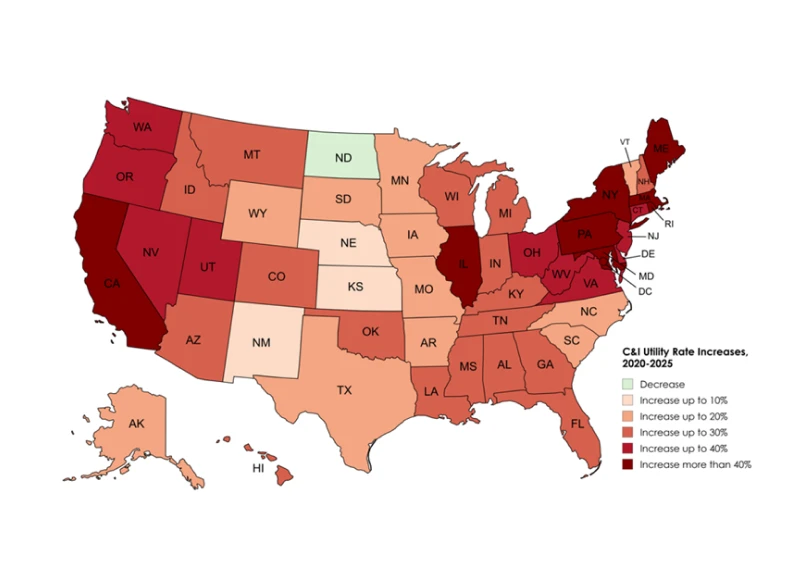
That shift is being driven by forces that extend well beyond the plant gate. Electricity prices have become increasingly volatile; utilities continue investing billions in transmission and grid modernization, and reliability concerns are growing as aging infrastructure struggles to keep pace with rising demand. At the same time, plants are expanding production of higher-value products – both trends driving greater demand for process steam and increasingly sophisticated utility infrastructure.
Taken together, these market and operational trends are changing how industrial operators think about energy. Utility systems are no longer viewed simply as supporting infrastructure; they are becoming strategic assets capable of lowering operating costs, improving reliability, reducing emissions, and strengthening long-term competitiveness.
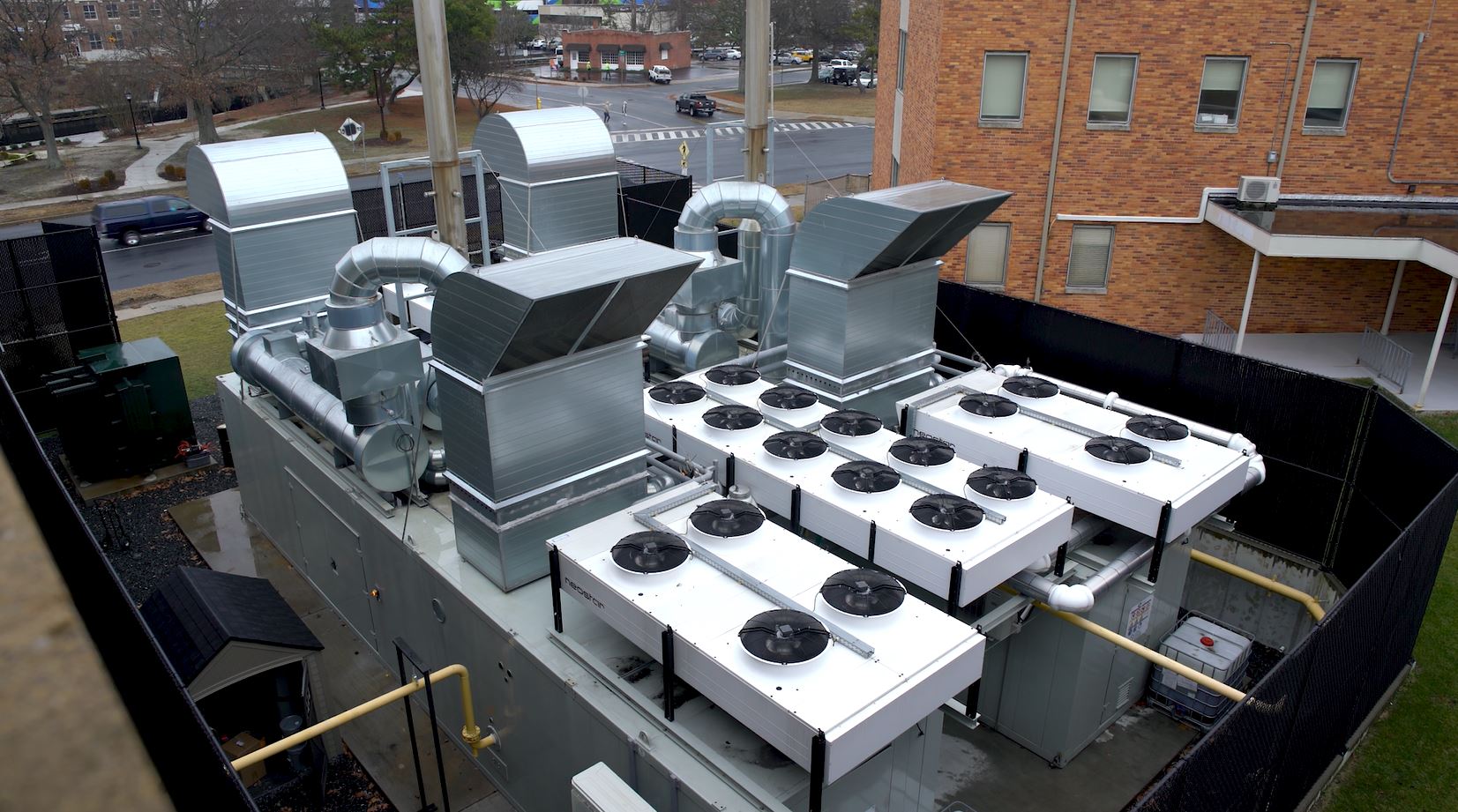
For facilities with continuous steam demand, Combined Heat and Power (CHP), often deployed as part of an onsite microgrid, has emerged as one of the most effective ways to modernize that infrastructure. CHP transforms energy that would otherwise be lost into a valuable resource – improving fuel efficiency, strengthening resilience, and lowering the overall cost of operation.
Steam-Intensive Operations Create the Ideal Environment for CHP
Steam has always been fundamental to refining and petrochemical production. Whether it’s used for crude distillation, hydrotreating, catalytic reforming, ethylene cracking, hydrogen production, or countless other thermal processes, a reliable supply of process steam is essential to maintaining safe, efficient, and continuous operations. At the same time, these facilities consume significant amounts of electricity to power compressors, pumps, cooling systems, instrumentation, and process controls. That simultaneous demand for both thermal and electrical energy makes refineries and petrochemical plants among the strongest candidates for Combined Heat and Power.
As the industry continues to evolve, the value of integrated utility systems is only increasing. Many refiners are expanding into higher-value petrochemical production, while standalone petrochemical facilities continue investing in larger, more energy-intensive processing units. Fluid catalytic cracking (FCC) units illustrate this trend well. As operators pursue higher yields of light olefins and other petrochemical feedstocks, catalyst circulation rates increase, reactor severity rises, and regenerators can operate at temperatures approaching 760°C (1,400°F). These operating conditions create more complex thermal balances, greater steam demand, and an even stronger business case for recovering and utilizing waste heat rather than allowing it to escape unused.
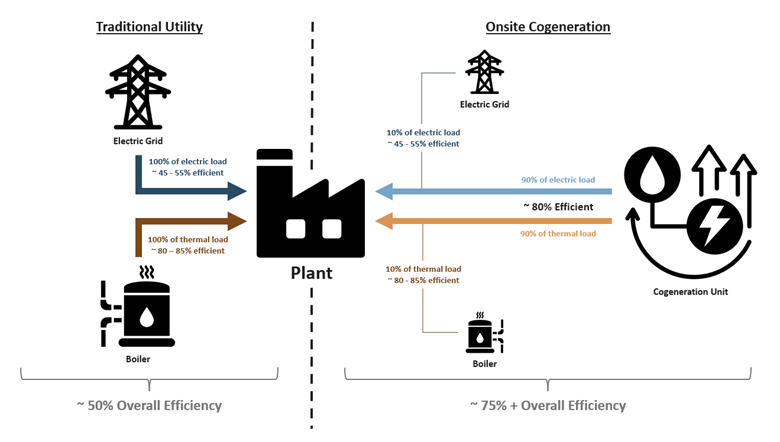
Combined Heat and Power is uniquely suited to this operating environment because it treats electricity and process steam as complementary resources rather than separate utilities. Instead of purchasing electricity from the grid while burning additional fuel in boilers to generate steam, CHP produces both from a single fuel source, recovering thermal energy that would otherwise be lost and returning it to the plant as useful process steam. The result is a more integrated, efficient utility system that aligns with how steam-intensive facilities actually operate.
That alignment translates directly into measurable performance improvements. While conventional boiler and grid-powered systems typically convert only 45 to 50 percent of fuel into useful energy, properly designed CHP systems routinely achieve 70 to 85 percent total system efficiency. More importantly, they allow operators to recover value from energy that would otherwise be wasted – reducing fuel consumption, lowering operating costs, and improving the overall efficiency of both refinery and petrochemical operations.
Many organizations are deploying CHP through an Energy-as-a-Service (EaaS) model, enabling them to modernize critical utility infrastructure without the significant upfront capital investment traditionally associated with large energy projects.
Traditional Utility vs. Onsite Cogeneration Efficiency
The Real Value of CHP Goes Well Beyond Efficiency
Higher efficiency is often the headline benefit of Combined Heat and Power, but for most refinery and petrochemical operators, it is only part of the story. The real value lies in transforming the utility plant from a collection of independent systems into an integrated energy platform that is designed around the facility’s operating requirements. Rather than treating electricity and process steam as separate utilities, CHP produces and manages both simultaneously, continuously balancing electrical generation with thermal demand as operating conditions change throughout the day. For steam-intensive facilities, electricity and process steam are not separate commodities – they are interdependent resources that must be managed together. CHP was designed to do exactly that.
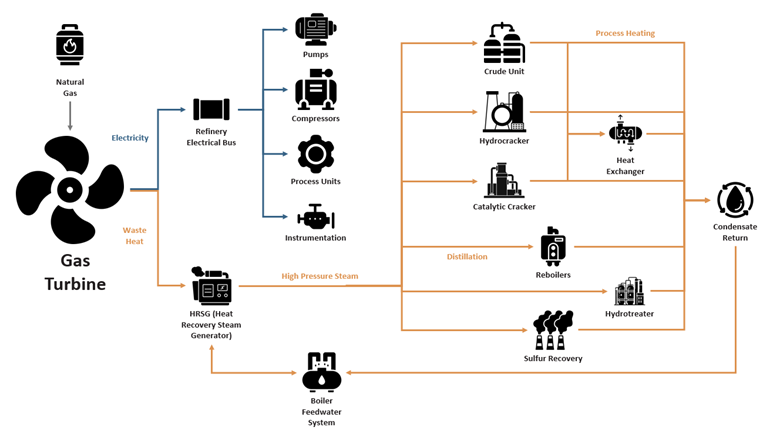
This level of integration creates benefits that extend well beyond fuel savings. Stable steam pressure and supply help protect throughput, product quality, and equipment performance, and is available with CHP derived steam as well as traditional boiler steam. At the same time onsite power generation reduces dependence on an increasingly constrained electric grid. CHP systems can also integrate with existing high-, medium-, and low-pressure steam headers, hydrogen production units, condensate return systems, thermal oil loops, and distributed control systems, allowing facilities to modernize critical utility infrastructure without disrupting core operations.
Perhaps most importantly, CHP provides operators with greater control over one of the plant’s most critical assets – energy. As electricity markets become more volatile and process reliability becomes increasingly important, the ability to generate power onsite while simultaneously producing process steam delivers greater operational resilience, improved cost predictability, and a utility platform capable of supporting future growth. For facilities where even a brief interruption in steam or power can impact production, that level of control can be every bit as valuable as the efficiency gains themselves.
The Utility Plant Is Becoming a Strategic Asset
For decades, utility systems at refineries and petrochemical facilities were designed with one objective: provide enough steam and electricity to support production. Today, that expectation has changed. As energy costs rise, sustainability goals become more ambitious, and reliability grows increasingly important, the utility plant is no longer viewed simply as supporting infrastructure – it has become a strategic asset capable of improving operating costs, environmental performance, and long-term competitiveness.
Combined Heat and Power reflects that shift in thinking. By generating electricity onsite while recovering waste heat for process steam, CHP enables facilities to extract more value from every unit of fuel consumed while reducing exposure to volatile electricity markets. It also provides a flexible energy platform that can evolve alongside the facility, supporting technologies such as renewable natural gas (RNG), hydrogen blending, battery storage, and industrial microgrids as business and regulatory needs change.
Because each plant has a unique combination of steam demand, electrical loads, operating schedules, and utility costs, there is no one-size-fits-all CHP solution. The most successful projects begin with understanding how energy moves through the facility—where steam is consumed, where thermal energy is being lost, and how electrical and process loads interact throughout the day.
Example Integration of CHP with Plant Operations
Discover Your Facility’s CHP Potential
At Unison Energy, every engagement begins with that analysis. Our engineering team models each facility’s thermal profile, electrical demand, utility infrastructure, and long-term operating objectives to identify where CHP can deliver the greatest operational and financial value. Through our Energy-as-a-Service (EaaS) model, organizations can modernize critical energy infrastructure without the significant upfront capital investment traditionally associated with large utility projects.
If your facility depends on continuous process steam, your utility plant may represent one of the greatest untapped opportunities to improve operating performance. A preliminary CHP assessment can quantify potential fuel savings, emissions reductions, resilience improvements, and long-term operating economics based on your facility’s unique thermal profile. Contact Unison Energy to schedule a complimentary assessment and discover how onsite cogeneration can turn process steam into a lasting competitive advantage.

ByUnison Energy
Real-World Example:
American Refining Group
At American Refining Group's (ARG) Bradford, Pennsylvania refinery, Unison Energy is deploying an onsite CHP-based microgrid designed to supply more than 90% of the refinery's electrical demand while simultaneously supporting critical thermal operations. The system is expected to generate 95.3% of the facility's annual electricity and improve overall energy efficiency to 75.5% (HHV) through heat recovery and cogeneration. In addition to reducing operating costs and emissions, the microgrid is designed to strengthen energy resilience by allowing the refinery to continue operating during utility disruptions through advanced islanding capabilities and intelligent load management.
Share on
Share on
About us
Engineered for Performance. Built for the Long Term.
Unison Energy combines capital strength, technical expertise, and operational discipline to deliver resilient power for facilities across industries.

Related posts
Insights shaped by over a decade of experience
Explore more perspectives on energy costs, resilience, and on-site generation from the Unison Energy team.
View All Blogs