World Cogeneration Day: 144 Years of CHP and Counting.
Blog
Cogeneration
Key Takeaways:
- Cogeneration, also known as combined heat and power (CHP), produces electricity and useful thermal energy from a single energy source, improving overall energy efficiency by capturing heat that would otherwise be wasted.
- CHP has been used for more than 140 years. World Cogeneration Day is celebrated September 4, commemorating the 1882 start of Thomas Edison’s Pearl Street Station, an early example of cogeneration.
- As electricity demand grows and the grid faces new constraints, CHP continues to evolve and be deployed to meet modern energy needs. One recent example is Unison Energy’s CHP project with General Mills in Hannibal, Missouri, designed to support the plant’s onsite energy needs.
Every September 4, World Cogeneration Day celebrates a technology that has been quietly making energy work harder for more than a century.
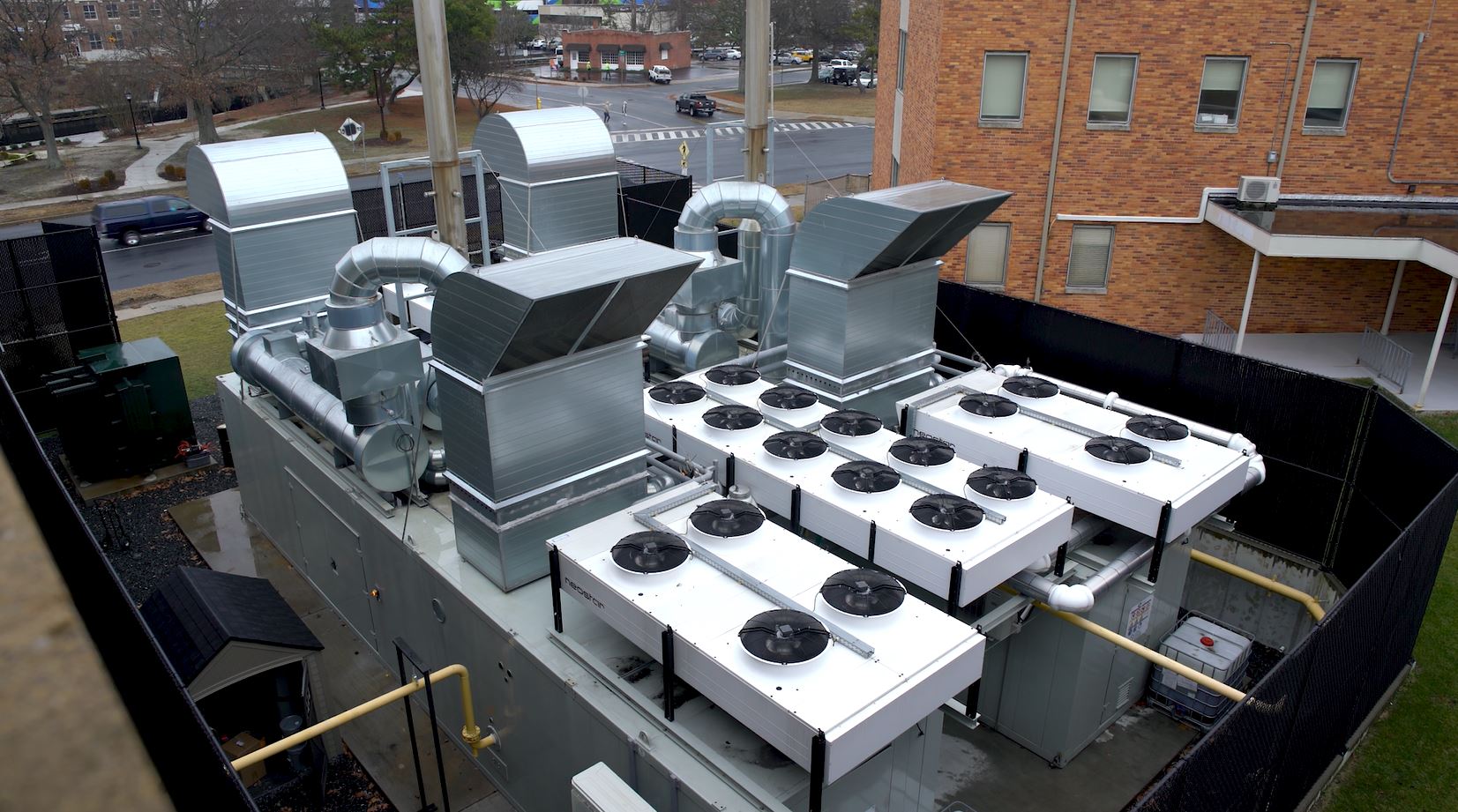
Cogeneration, also known as combined heat and power (CHP), is the simultaneous production of electricity and useful thermal energy from a single energy source. Instead of generating electricity and allowing the resulting heat to go to waste, a CHP system captures that heat and puts it to work producing hot water, steam, heating or even cooling.
It is a straightforward concept, and an efficient one. Conventional electricity generation can lose much of its energy as waste heat. By capturing that heat and producing power close to where it is consumed, CHP systems can achieve total efficiencies of 60% to 80%.
A Technology With Roots in the Beginning of the Electric Grid
Cogeneration is almost as old as commercial electricity itself.
World Cogeneration Day is celebrated on September 4 to commemorate the start of operations at Thomas Edison’s Pearl Street Station in New York City on that date in 1882. In addition to generating electricity, Edison put the thermal byproduct to use, providing steam heat to nearby buildings and manufacturers.
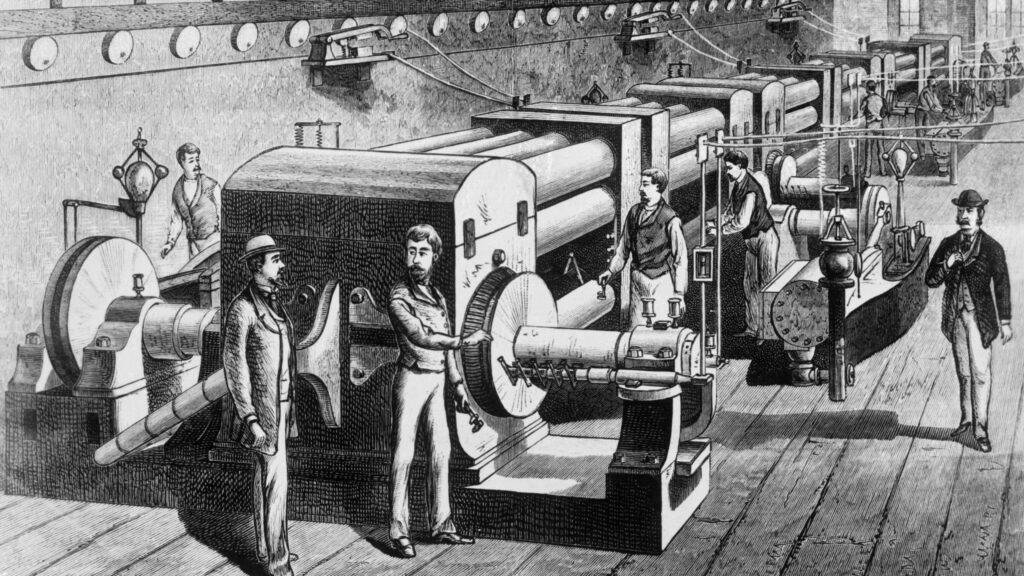
Historical rendering of Thomas Edison’s Pearl Street Station in New York City, c. 1885. Source: Wikimedia Commons, public domain.
In other words, one of the earliest commercial power plants was also an early cogeneration plant.
The technology has evolved considerably since then. Today, CHP systems operate in hospitals, universities, manufacturing facilities, hotels, refineries, commercial buildings and other energy-intensive facilities where there is a consistent need for both electricity and thermal energy.
World Cogeneration Day is also an opportunity to share the people, projects and ideas moving CHP forward. Join the conversation using #WorldCogenerationDay.
CHP in Today’s Energy Landscape
The basic principle behind cogeneration has not changed. The energy landscape around it has.
Electricity demand is growing, grid infrastructure is under pressure, and outages or even momentary interruptions can carry significant operational costs for energy-intensive and mission-critical facilities. At the same time, organizations are looking for ways to improve efficiency and gain greater control over their energy costs and infrastructure.
That is giving CHP a new role as part of modern onsite energy systems.
CHP can also serve as the foundation of a microgrid, combining onsite generation with intelligent controls to provide a facility with greater control over how its power is produced and managed. Depending on the system, a microgrid can separate from the utility grid during an outage and continue supporting critical operations.
For energy-intensive facilities, that resilience can be particularly valuable. Even brief grid interruptions can halt production, disrupt critical processes, damage equipment or result in significant financial losses. Onsite generation can reduce that exposure by providing a reliable source of power when the grid cannot.
The theme of this year’s World Cogeneration Day, “Speed to Power,” speaks to another increasingly important challenge: how quickly new electrical capacity can be brought online. As power demand grows from data centers, advanced manufacturing and other large loads, onsite generation can provide a path to meeting energy needs where grid capacity or interconnection timelines create constraints. For Unison, that includes helping data centers and other energy-intensive facilities evaluate onsite generation as part of their long-term power strategy.
Cogeneration in Practice Today
CHP continues to play an important role in onsite energy projects across the country.
At Sonoma Valley Hospital in California, Unison Energy’s CHP microgrid supplies more than 90% of the hospital’s annual electricity while producing more than 70% of its hot water demand. In Pennsylvania, Unison Energy is building a CHP-based microgrid for American Refining Group designed to supply more than 90% of the refinery’s electrical load and protect operations from costly grid interruptions.
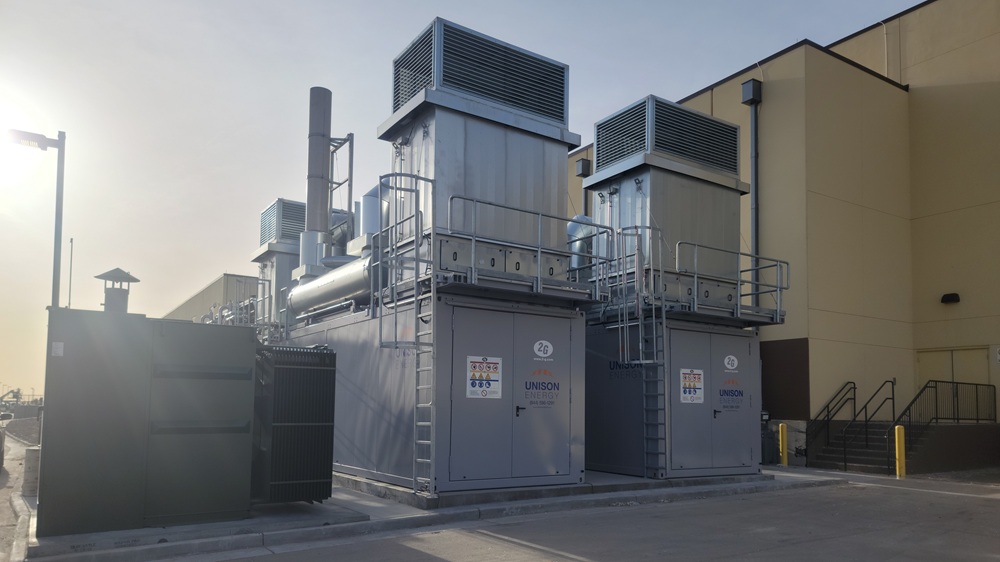
And new projects continue to expand the role of onsite generation. This year, General Mills announced plans for a CHP system at its Hannibal, Missouri manufacturing plant, while Unison recently announced a new microgrid project supporting the Gaylord Pacific Resort & Convention Center in California.
More than 140 years after Pearl Street Station, the idea behind cogeneration remains remarkably relevant: generate energy where it is needed, use it more efficiently, and waste less of it.
Through an Energy-as-a-Service (EaaS) model, Unison can finance, build, own and operate onsite energy systems, enabling facilities to benefit from onsite energy infrastructure without the upfront capital investment.
For facilities evaluating their own energy strategy, Unison offers a free energy assessment to identify opportunities to reduce costs, improve resilience and take greater control of how their facility is powered.
Contact Unison Energy to request a free energy assessment.
Sources & Further Reading
- World Cogeneration Day: History of World Cogeneration Day, the September 4 commemoration, Pearl Street Station, and the 2026 “Speed to Power” theme.
https://worldcogenerationday.org/ - U.S. Environmental Protection Agency: Overview of combined heat and power (CHP), including how cogeneration works, typical efficiencies, benefits, and applications.
https://www.epa.gov/chp - IEEE / Engineering and Technology History Wiki: Historical background on Thomas Edison’s Pearl Street Station and the beginning of commercial electric power on September 4, 1882.
https://ethw.org/Pearl_Street_Station - Unison Energy: Information on CHP, microgrids, Energy-as-a-Service, resilient power, and current Unison Energy projects and case studies.
https://unisonenergy.com/ - Wikimedia Commons: Historical image of Thomas Edison’s Pearl Street Station in New York City, c. 1885. Public domain.
Pearl Street Station historical image

ByUnison Energy
Share on
Share on
About us
Engineered for Performance. Built for the Long Term.
Unison Energy combines capital strength, technical expertise, and operational discipline to deliver resilient power for facilities across industries.
Related posts
Insights shaped by over a decade of experience
Explore more perspectives on energy costs, resilience, and on-site generation from the Unison Energy team.
View All Blogs