Modernizing Hospital Power Infrastructure: Achieving CMS Compliance and Long-Term Resilience with Onsite Microgrids
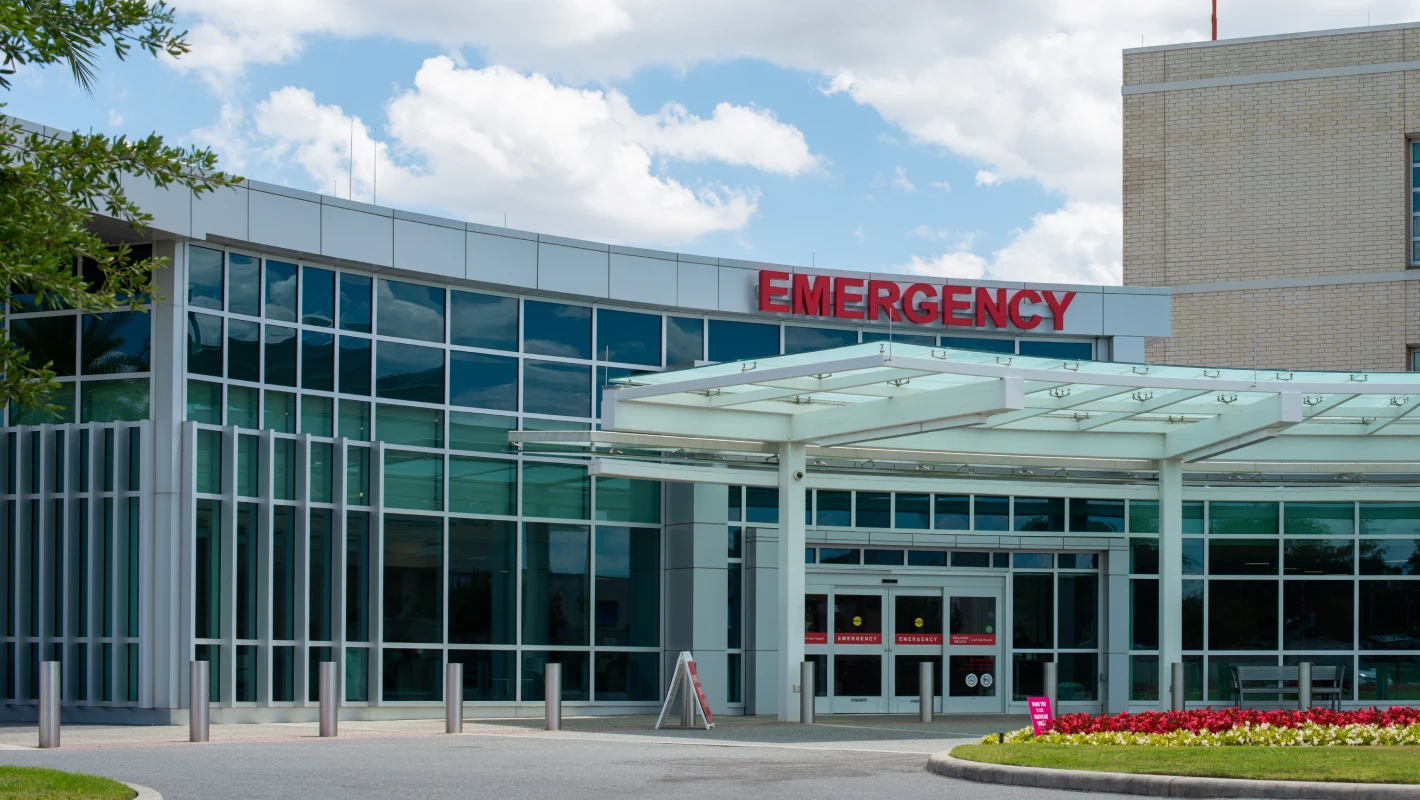
Hospitals are no longer limited to diesel generators for emergency power. The CMS waiver allows healthcare facilities to adopt on-site microgrids that meet compliance standards while delivering full-site resilience, lower emissions, and energy savings. Learn how Unison Energy’s CHP-based microgrids help hospitals achieve CMS compliance and 24/7 reliability with no upfront cost.
The CMS Memorandum & Why It Matters
In March 2023, the Centers for Medicare & Medicaid Services (CMS) issued a categorical waiver allowing hospitals to use Health Care Microgrid Systems (HCMSs) – including cogeneration (CHP), solar, storage, and fuel cells – as compliant emergency power sources under updated NFPA standards.
In the past, hospitals were restricted to diesel generators that powered only life-safety systems. Today, CMS-compliant microgrids enable hospitals to power entire facilities – not just critical systems – with cleaner, more efficient, and more resilient on-site energy. This change allows healthcare systems to modernize infrastructure while reducing reliance on outdated diesel backup systems.
Backup Power Beyond Life Safety
Diesel generators are designed for emergencies only. They sit idle until an outage, require constant maintenance and fuel management, and deliver poor efficiency with high emissions.
By contrast, CHP-based microgrids operate continuously, producing both electricity and heat for critical hospital systems. This approach achieves 60–85% efficiency, reduces emissions by 20–60%, and lowers operating costs. CHP microgrids can also incorporate solar, battery storage, and renewable fuels, further boosting sustainability and reliability.
Key Advantages of CHP Microgrids over Diesel:
- Continuous Value: Baseline power and heating/cooling every day, not just during outages
- Seamless Island Mode: Capable of automatic isolation and reconnection during grid failures
- Cleaner Operation: Significantly reduced CO₂ and pollutant emissions
- No Fuel Risk: Continuously flowing Natural gas, hydrogen, or renewable gas supply, avoiding diesel delivery challenges
To learn more about the differences between cogeneration and diesel backup, read Cogeneration or Backup Generation – Which Is Right for Your Facility?
Resiliency Through Island Mode
When the grid goes down, hospitals cannot afford disruption. Unison Energy’s microgrids can automatically transition into island mode, powering the facility independently for as long as needed. When utility service is restored, the system reconnects seamlessly.
This level of reliability far surpasses diesel backup systems, which are prone to start-up failures, limited runtime, and fuel shortages during extended outages. And unlike solar or fuel cells, which can be intermittent or limited in capacity, natural-gas powered CHP provides sustained, dispatchable power for as long as an outage lasts, ensuring true long-term resilience for critical healthcare facilities.
Case Study: Sonoma Valley Hospital – Powering Through the Wildfire Crisis
Located in Northern California’s wildfire-prone region, Sonoma Valley Hospital (SVH) faced recurring grid outages as utilities implemented Public Safety Power Shutoffs (PSPS) to reduce wildfire risk. While necessary for safety, these outages disrupted operations, jeopardized patient care, and created significant financial strain.
SVH’s diesel backup generator lacked sufficient capacity to maintain hospital-wide operations, forcing staff to prepare for partial evacuations and suspend procedures during every extended outage. To safeguard operations and ensure compliance with healthcare reliability standards, SVH partnered with Unison Energy to develop a Combined Heat and Power (CHP) microgrid capable of sustaining the hospital’s critical and noncritical loads during utility disruptions.
The system provides continuous electricity and hot water, reducing boiler use and lowering the hospital’s emissions. Delivered through an Energy Services Agreement (ESA), Unison Energy owns, operates, and maintains the system off the hospital’s balance sheet, allowing SVH to enhance resiliency without capital expenditure.
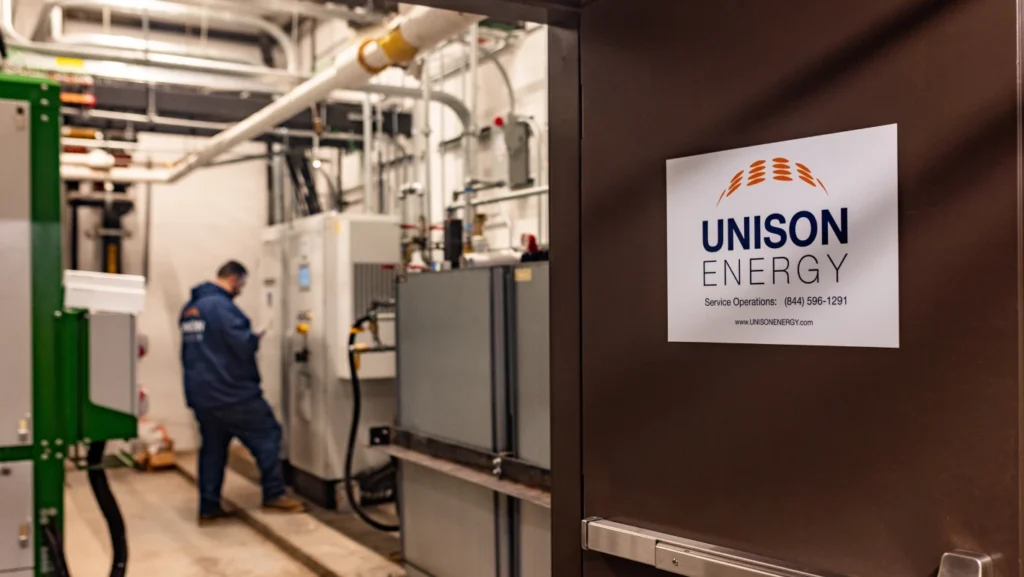
Future-Proof Your Hospital with Unison Energy
The CMS waiver has opened the door for hospitals to move beyond outdated diesel backup systems and toward resilient, sustainable, and compliant microgrids. Unison Energy’s CHP-based solutions go beyond simple backup – they provide continuous, efficient, and reliable power that keeps your hospital operational no matter what happens outside the walls.
With full CMS and NFPA compliance, no upfront cost, and a turnkey Energy-as-a-Service model, Unison Energy makes it easy to modernize your energy infrastructure while lowering costs and emissions.
Now is the time to act. Aging diesel systems are becoming more costly, less reliable, and increasingly out of step with CMS and sustainability mandates. Don’t wait for the next outage or compliance deadline – take control of your hospital’s energy future today.
Contact Unison Energy for a no-cost energy assessment and discover how an on-site CHP microgrid can help your facility achieve long-term resilience, regulatory compliance, and operational savings.
Energy insights, delivered
Subscribe for more content.
Related Blogs

Unison Energy and Sonoma Valley Hospital Build Microgrid System to Make Hospital More Resilient During Natural Disasters
Major Gulf Coast Pipeline Expansions in 2025: A Strategic Opportunity for Data Centers and Industrial Energy Users
Onsite Generation – Part of the Power Stack