Unison Energy Goes Back to School: Debating the Future of Data Center Power
Blog
Data centers
Key Takeaways:
- Harvard Business School developed a case on Unison and invited our CEO, an HBS alum, to hear students debate the questions it raises about data center power and the broader energy industry as electricity demand grows.
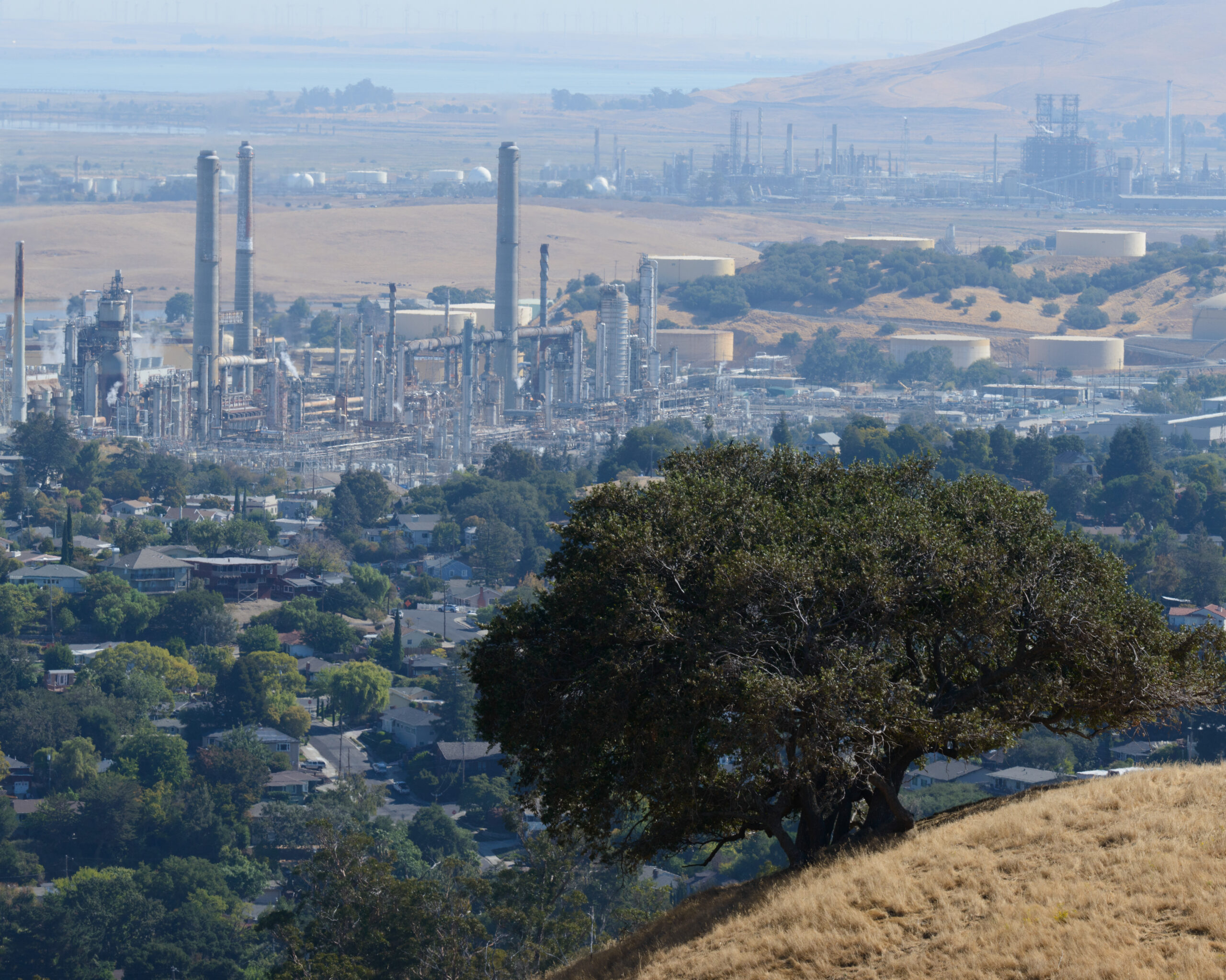
- Data center growth is reshaping energy demand, creating new opportunities for onsite power.
- Scale brings tradeoffs. Larger projects offer significant potential but also greater complexity, capital needs, and longer timelines.
- CHP and cogeneration remain important solutions for critical facilities that need reliable onsite energy with greater cost certainty.
- Diversification matters. Data centers are growing rapidly, but hospitals, manufacturers, hospitality and other energy-intensive facilities continue to need reliable, cost-effective power.
Earlier this year, Harvard Business School (HBS) reached out to Unison Energy about a new case study centered on our company and a strategic question facing the business: how aggressively should Unison pursue the growing opportunity to provide onsite power for hyperscale data centers, alongside the commercial and industrial customers we’ve served for years?
The resulting case, Unison Energy and the Data Center Boom, was authored by Professor Gunnar Trumbull, Philip Caldwell Professor of Business Administration at HBS, and Jeff Huizinga of the HBS California Research Center. It explores Unison’s history and Energy-as-a-Service model alongside the rapid growth in data center power demand, and asks students to weigh the opportunities and tradeoffs of pursuing much larger hyperscale projects. Like any HBS case, it was written for classroom discussion.
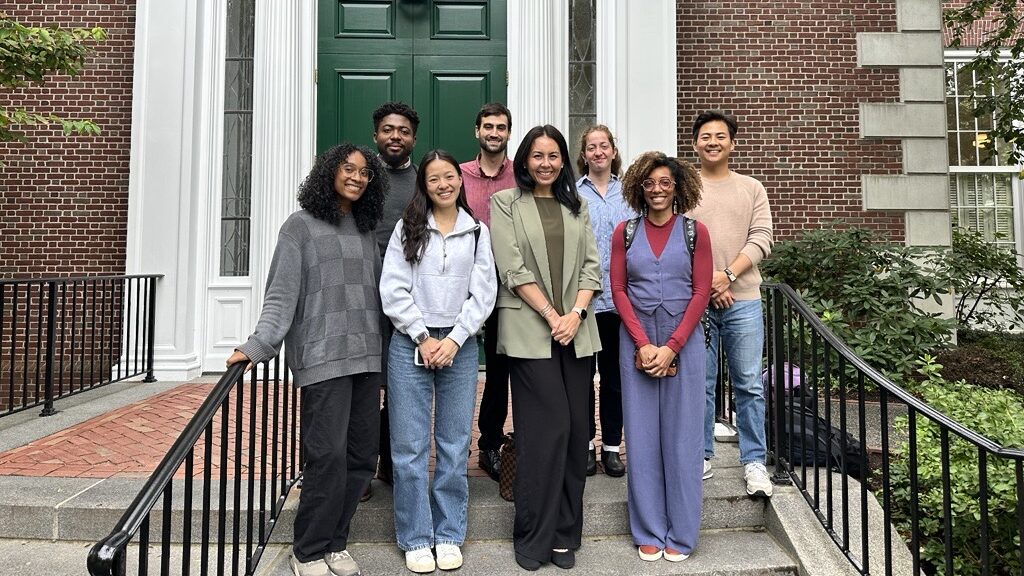
On September 30, Unison CEO and HBS alum Mariko McDonagh Meier was invited back to campus by Professor Trumbull. She wasn’t there to present. She sat in on his “Strategy in Green Energy” class and listened to the entire student discussion first.
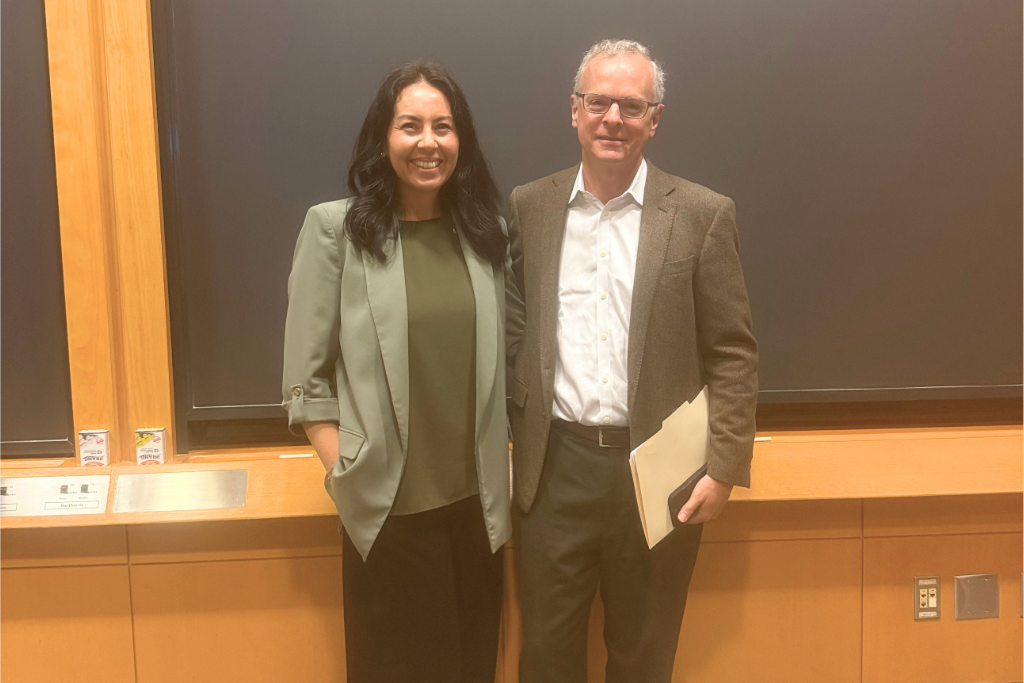
Mariko with Professor Trumbull
A room divided
Professor Trumbull led the class through the case while Mariko listened. That provided a rare opportunity to hear a room full of students debate not only Unison’s strategy, but some of the broader questions facing energy companies as demand grows and new markets emerge.
By the end of the discussion, the room was split roughly 50/50 between two paths for Unison: go “all in” on hyperscalers, or “stay in our lane” by continuing to focus on the commercial, industrial, and smaller colocation data centers (“colos”) that we serve today.
There were good arguments on both sides.
Some students saw the potential of landing a “whale.” One massive customer would create significant scale through a single project, and delivering one hypserscale site could make the next one easier to win. Hyperscalers urgently need power and may be willing to pay for the speed and capacity they require.
Others questioned whether that upside justified concentrating so much capital, time and attention in one rapidly changing market. Larger projects bring more complexity and longer timelines, and hyperscale data center demand still carries some long-term uncertainty.
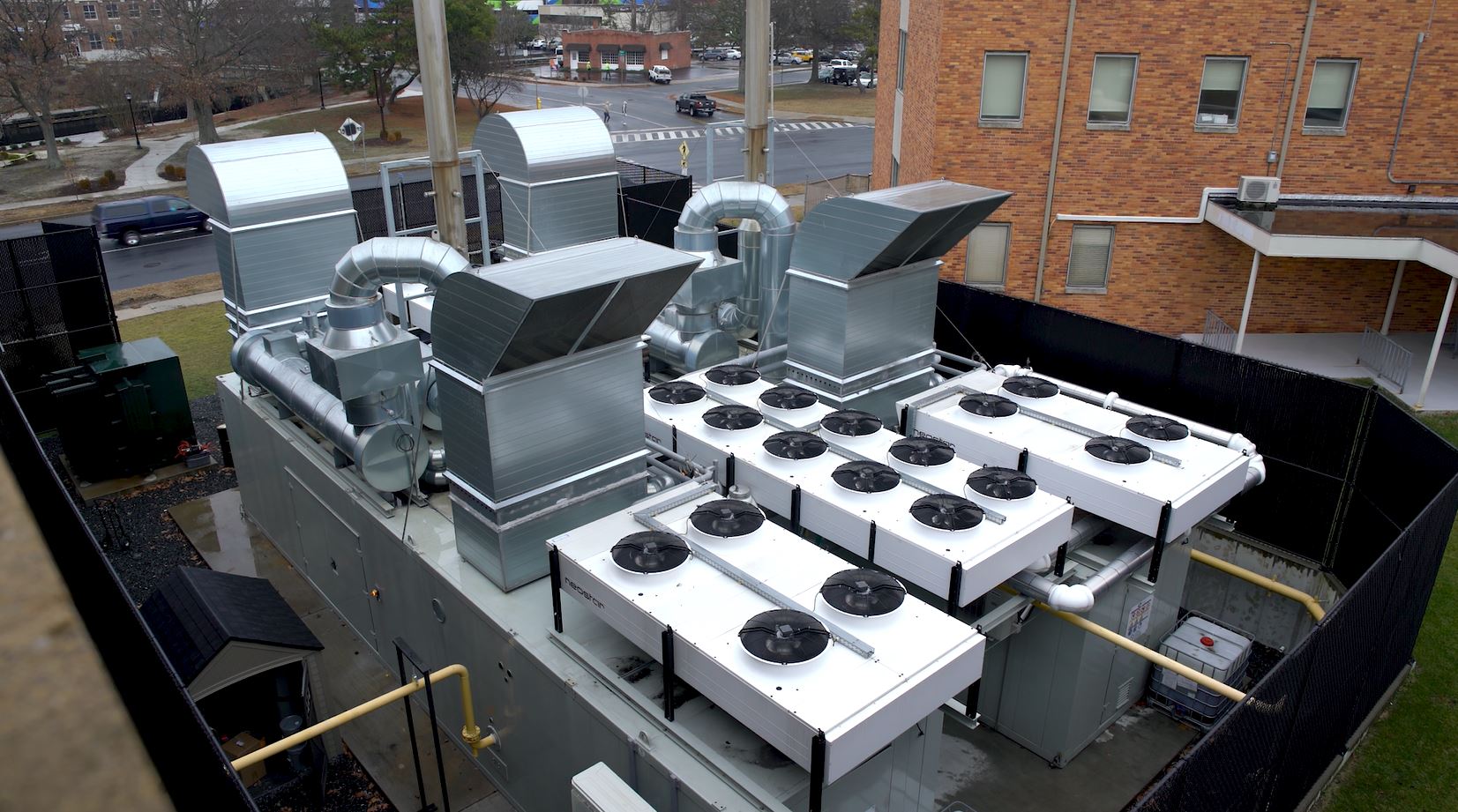
Meanwhile, Unison already serves colos, hospitals, manufacturers, hospitality properties and other energy-intensive and mission-critical facilities where reliable power, capacity and cost certainty continue to matter. Through onsite energy solutions including combined heat and power (CHP), also known as cogeneration, Unison has built deep experience helping customers generate reliable power where it’s needed.
Questions like these drove the discussion:
If one successful hyperscale project could open the door to many more, is the additional risk worth taking?
How should energy companies think about investing upfront when development timelines are long, and hyperscale projects have many moving pieces?
And with uncertainty around the long-term trajectory of AI and data center growth, how much focus should any company place on a single fast-growing market?
Those questions took the discussion well beyond data centers. Students dug into financing and how lenders view different types of customers, state-by-state permitting, procurement, equipment availability and the operational demands of larger projects. They also asked whether owning and operating assets is part of the advantage when uptime matters, and weighed a handful of very large opportunities against a more diversified portfolio of onsite energy projects.
One point kept coming back in different forms: whatever happens with AI, critical facilities will continue to need reliable power. For hyperscale data centers, onsite and private power can help secure capacity, improve reliability and give developers more control over project timelines, working alongside the grid rather than replacing it. For Unison, the question is: where we can create the most value while building on the capabilities and operating experience we’ve developed across CHP, cogeneration and other onsite energy solutions.
From the case to the real world
After the class finished debating the case, Mariko joined the conversation for a Q&A.
Students asked about the thinking behind Unison’s strategy and how some of the broader trends from the case are playing out across the energy industry. The questions covered everything from how lenders view data center opportunities to customer relationships, project economics and what changes as energy projects scale up.
And the conversation didn’t end when class did. A group of students joined Mariko and Professor Trumbull for lunch afterward, where the questions and discussion continued in a much more informal setting. Nobody had to be there. They chose to keep talking about how energy gets built, financed, and delivered. Over lunch, the conversation moved past the case to the bigger picture: where energy demand is headed, what it takes to build onsite power, and what the industry looks like to people about to enter it.
That outside perspective may have been the most valuable part of the whole experience. We spend every day immersed in the energy industry and in Unison’s business. Hearing the next generation of business leaders analyze our company and the industry from the outside gave us a fresh look. The students approached the conversation without the assumptions that can build up when you work in an industry day after day.
They challenged some ideas, reinforced others, and raised questions we’ll keep thinking about. And they certainly didn’t all agree with each other.
There wasn’t a unanimous answer at the end of the day. That was kind of the point.
Thank you to Professor Trumbull, the students and Harvard Business School for inviting Mariko into the discussion and giving us the opportunity to hear a different perspective on Unison and an industry undergoing a lot of change.
We had a great time doing what we enjoy most: talking energy.
Wondering how onsite power could help your facility take greater control of its energy? Contact our team to start the conversation.
Learn more about the case: Read the abstract for Unison Energy and the Data Center Boom
ByUnison Energy
Share on
Share on
About us
Engineered for Performance. Built for the Long Term.
Unison Energy combines capital strength, technical expertise, and operational discipline to deliver resilient power for facilities across industries.
Related posts
Insights shaped by over a decade of experience
Explore more perspectives on energy costs, resilience, and on-site generation from the Unison Energy team.
View All Blogs